



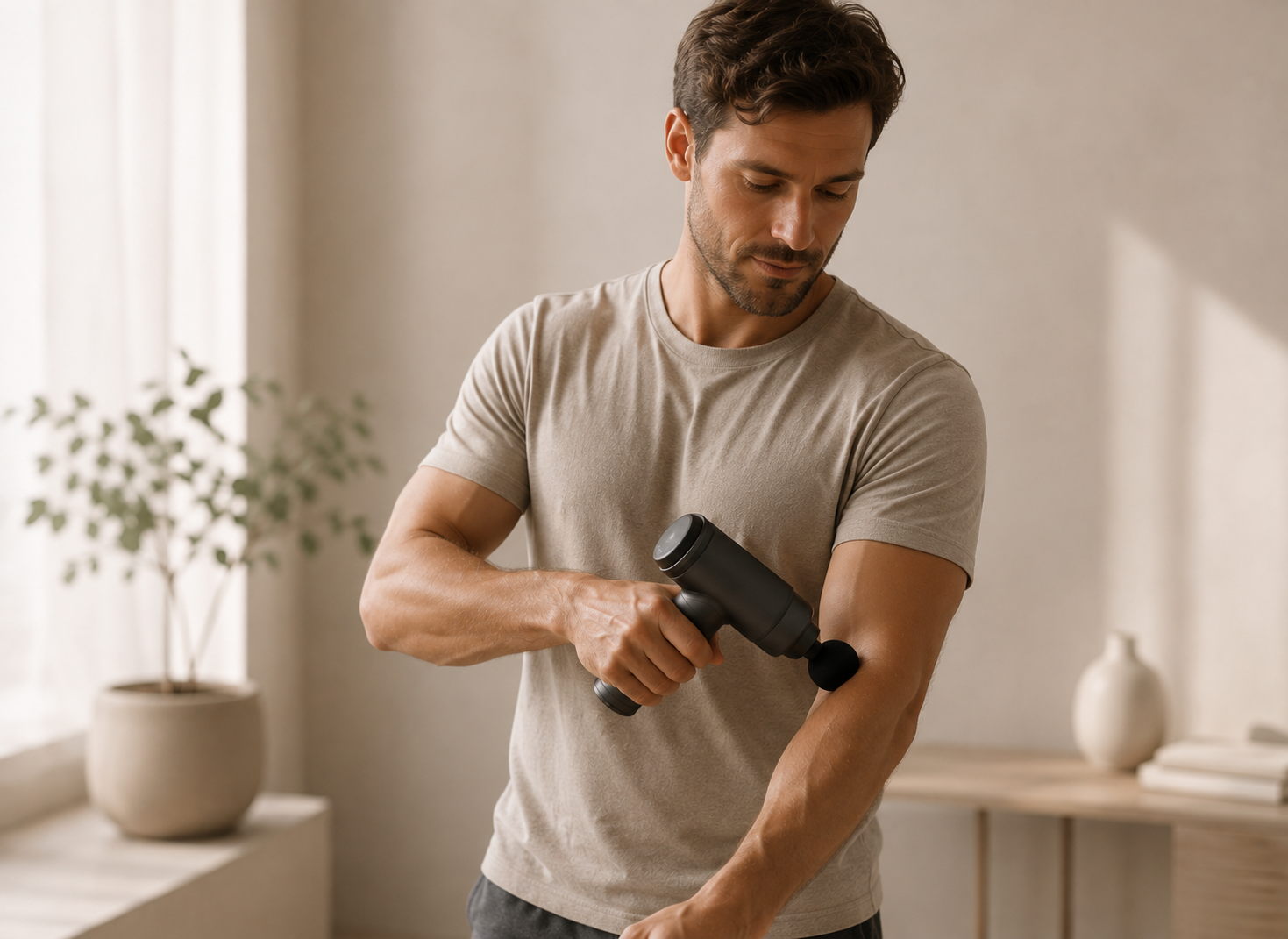
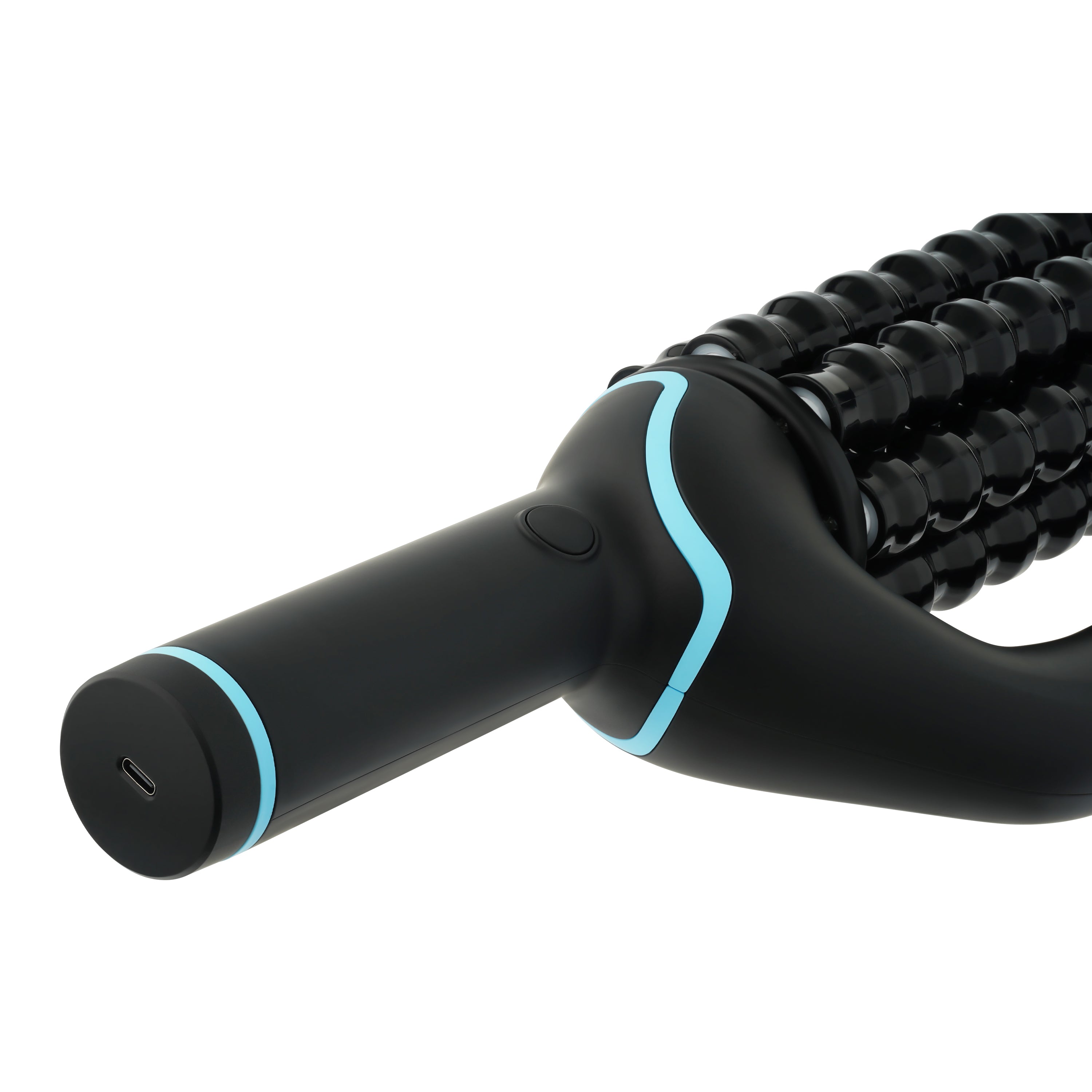
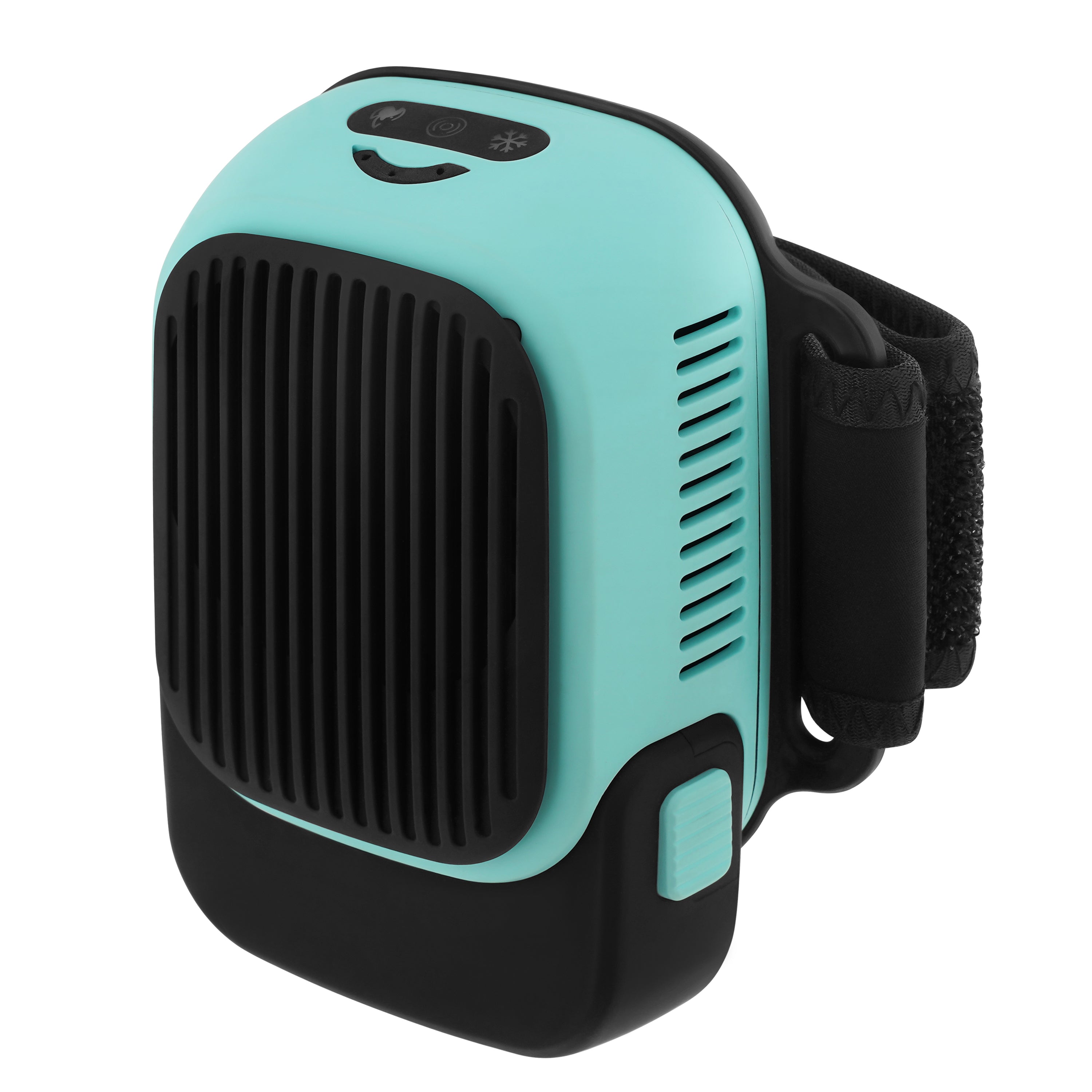
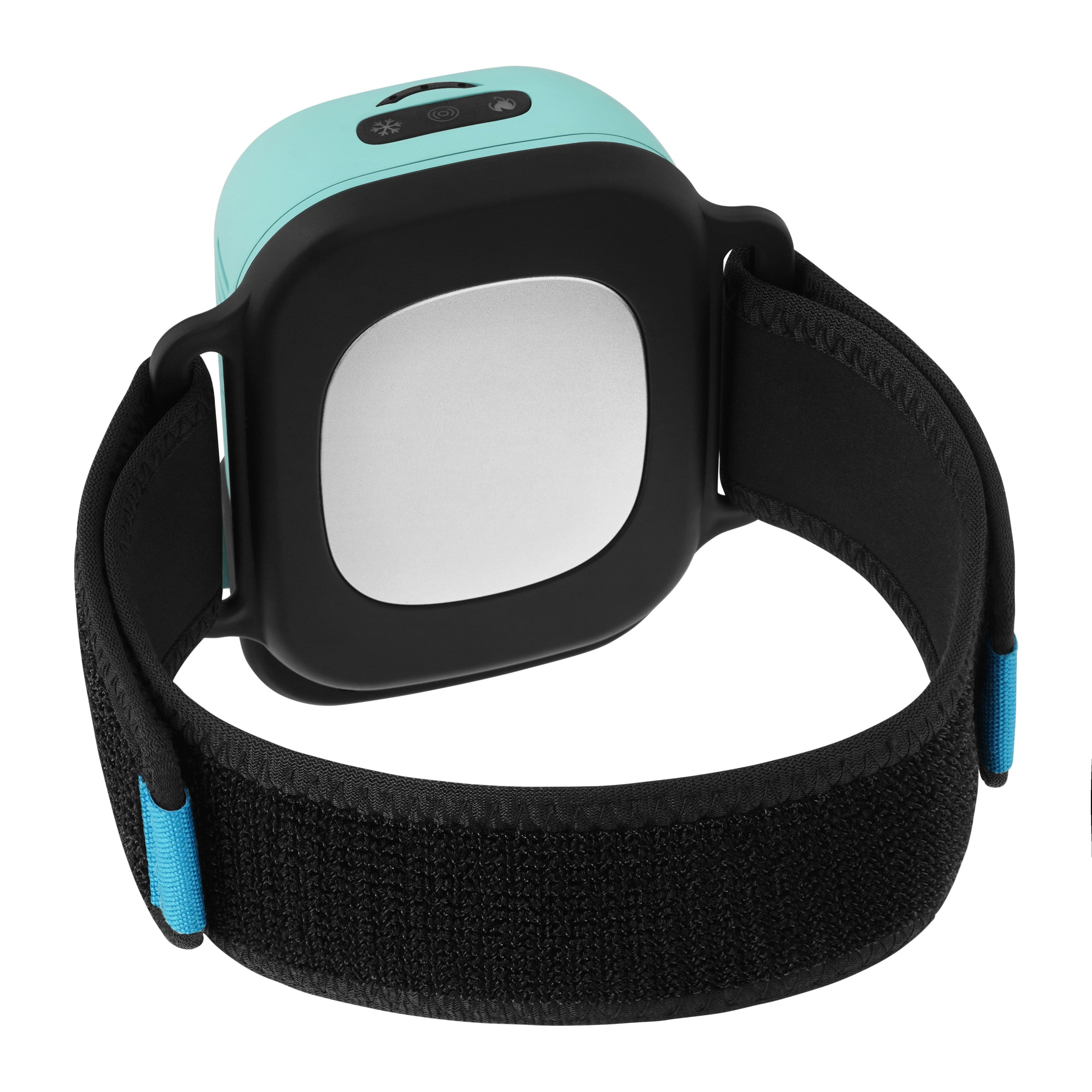
Massage technology in home devices includes many ways of affecting the body: kneading, vibrations, rotary motion, pressure, percussive massage, or point work.
Individual solutions differ in intensity, area of operation, and purpose.
This allows you to choose a device for daily relaxation, working on a specific muscle group, or resting after physical activity.
How do different types of massage differ?
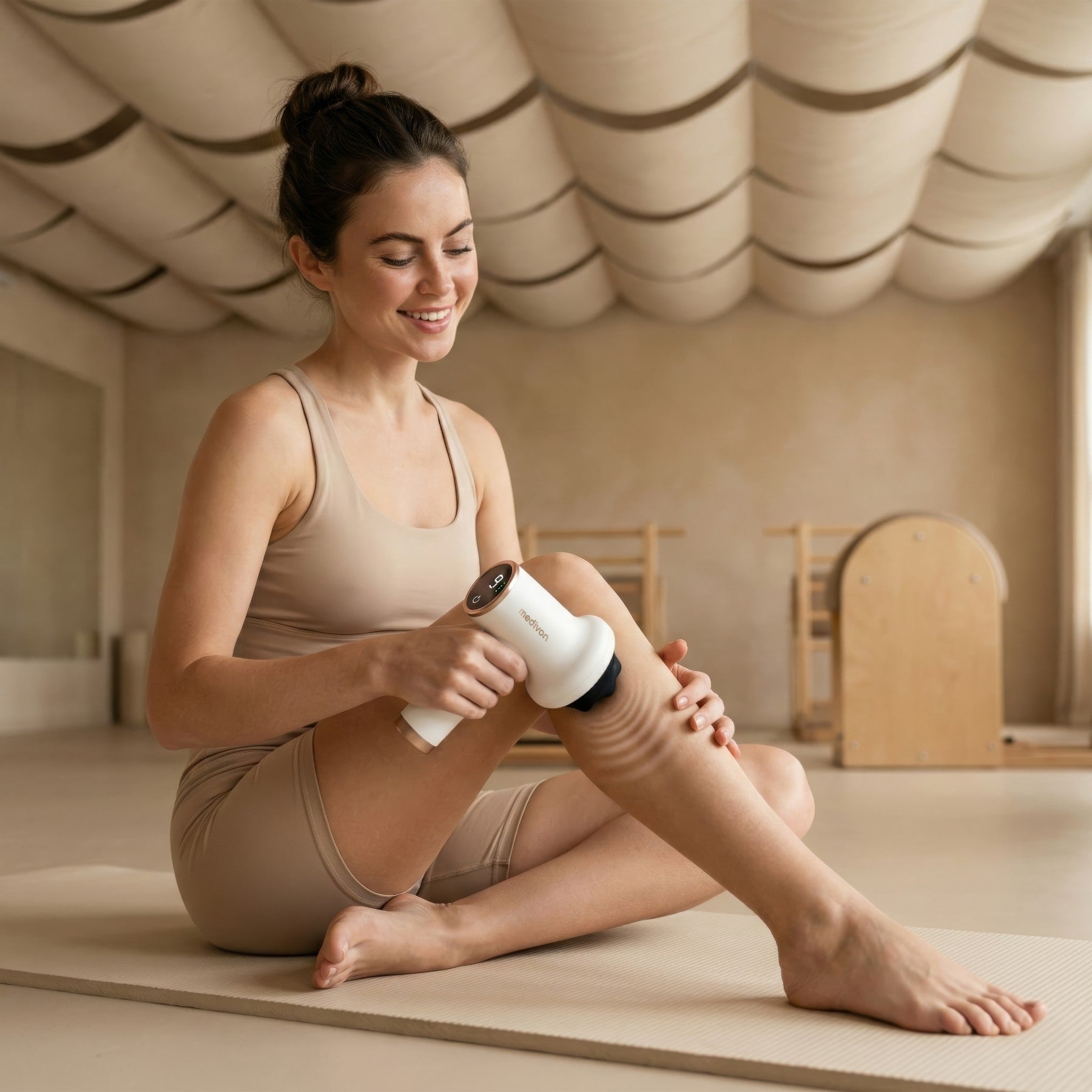
Kneading massage uses rotating heads, vibrations create rapid oscillations, and a percussive gun delivers rhythmic blows to a chosen spot.
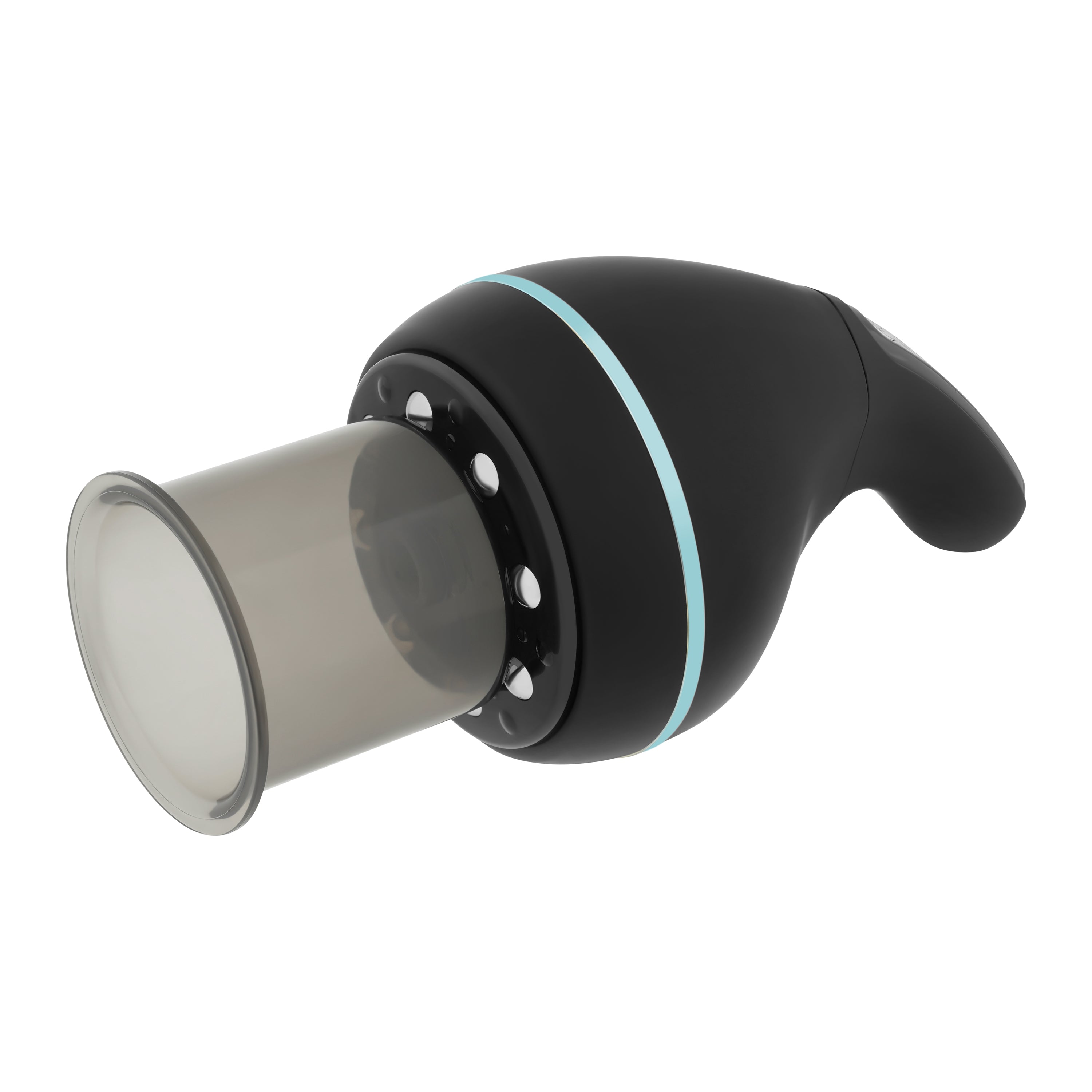
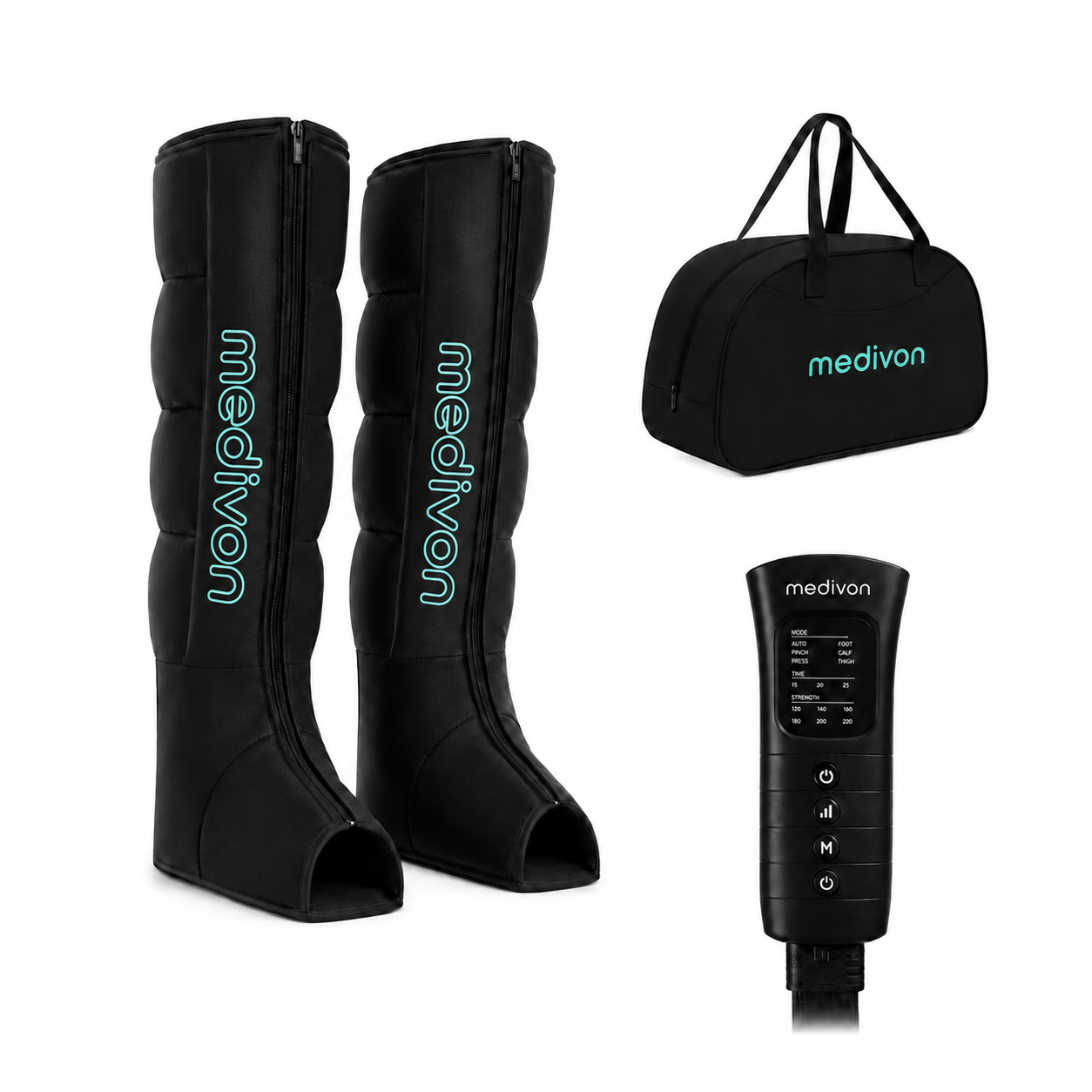
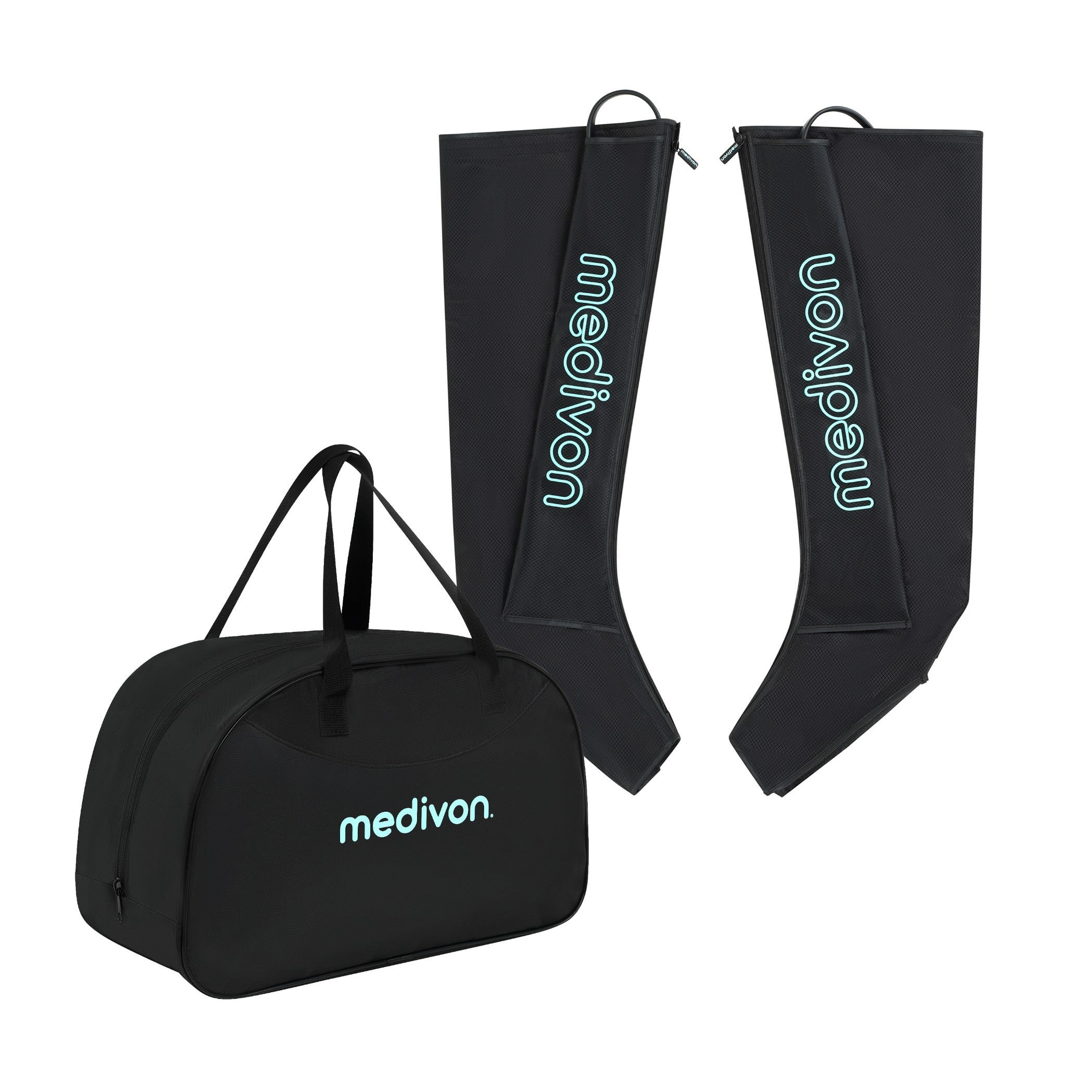
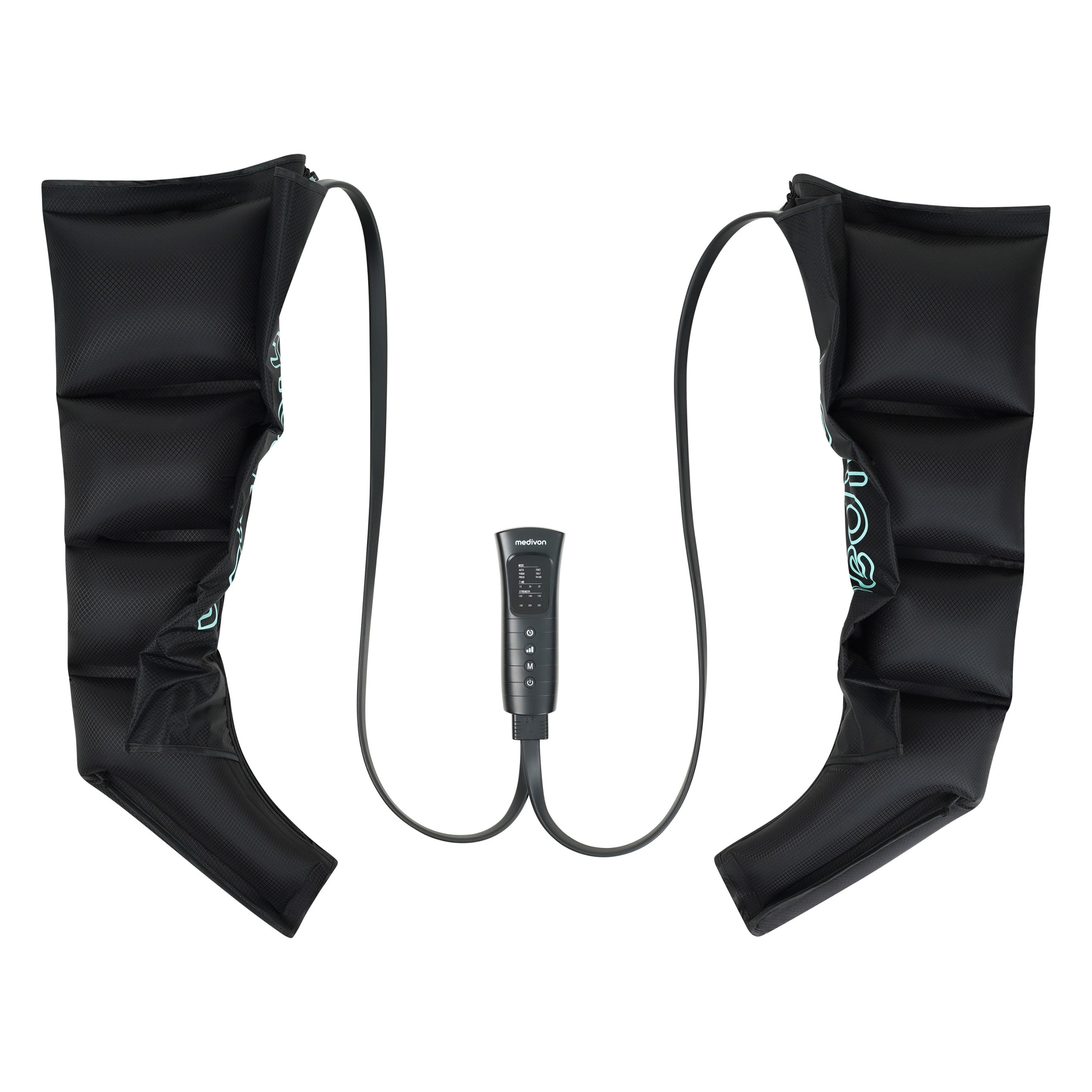
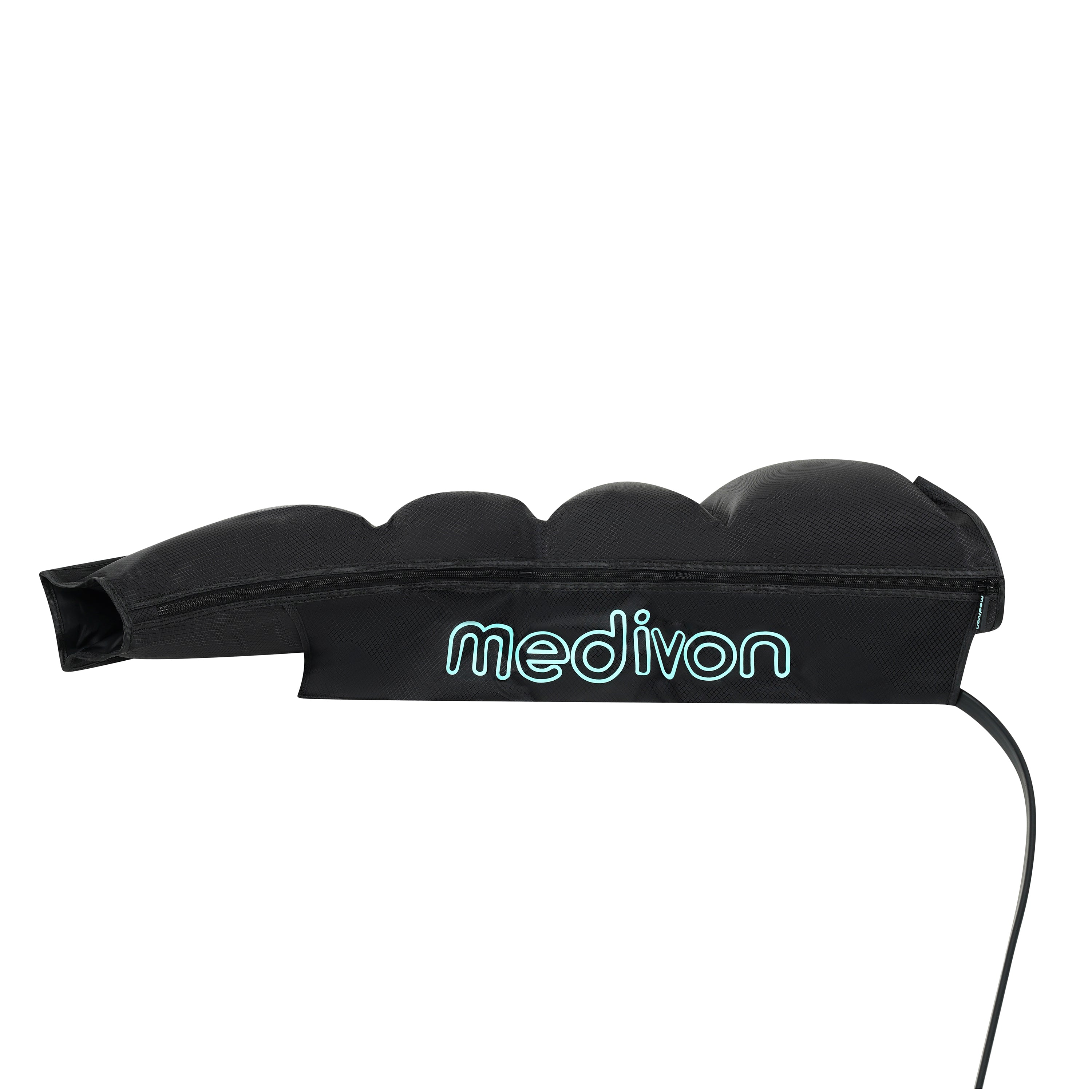
Pneumatic compression surrounds the limb and compresses it with air.
There is no single best type of massage – the choice depends on the body area and desired intensity.
Massage as a wellness component
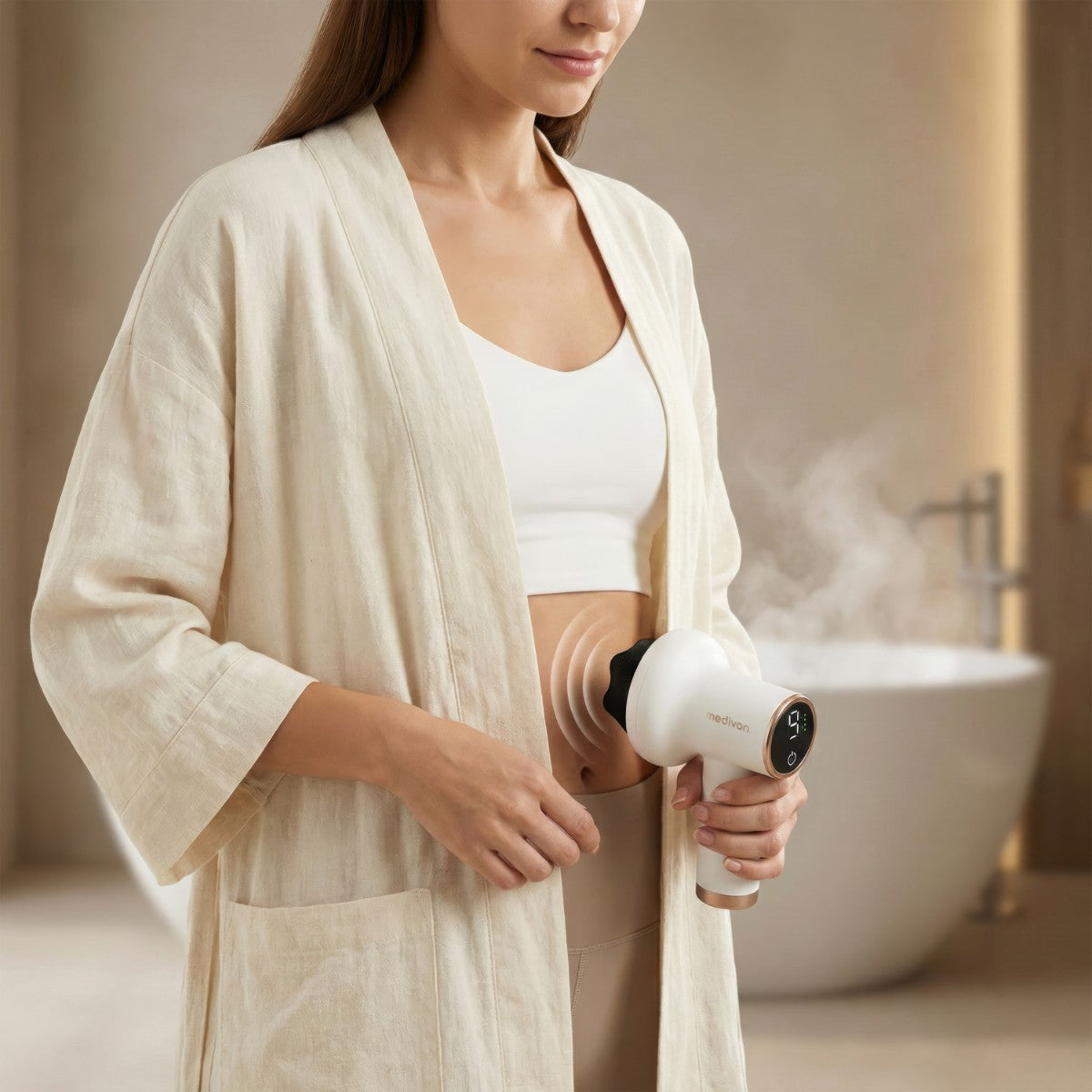
The device can help establish a regular moment of rest after work, travel, or training.
Mechanical stimulation provides a feeling of relaxation and can improve subjective comfort.
Studies on post-exercise massage indicate a potential reduction in perceived muscle soreness, but the effect is not identical for everyone.
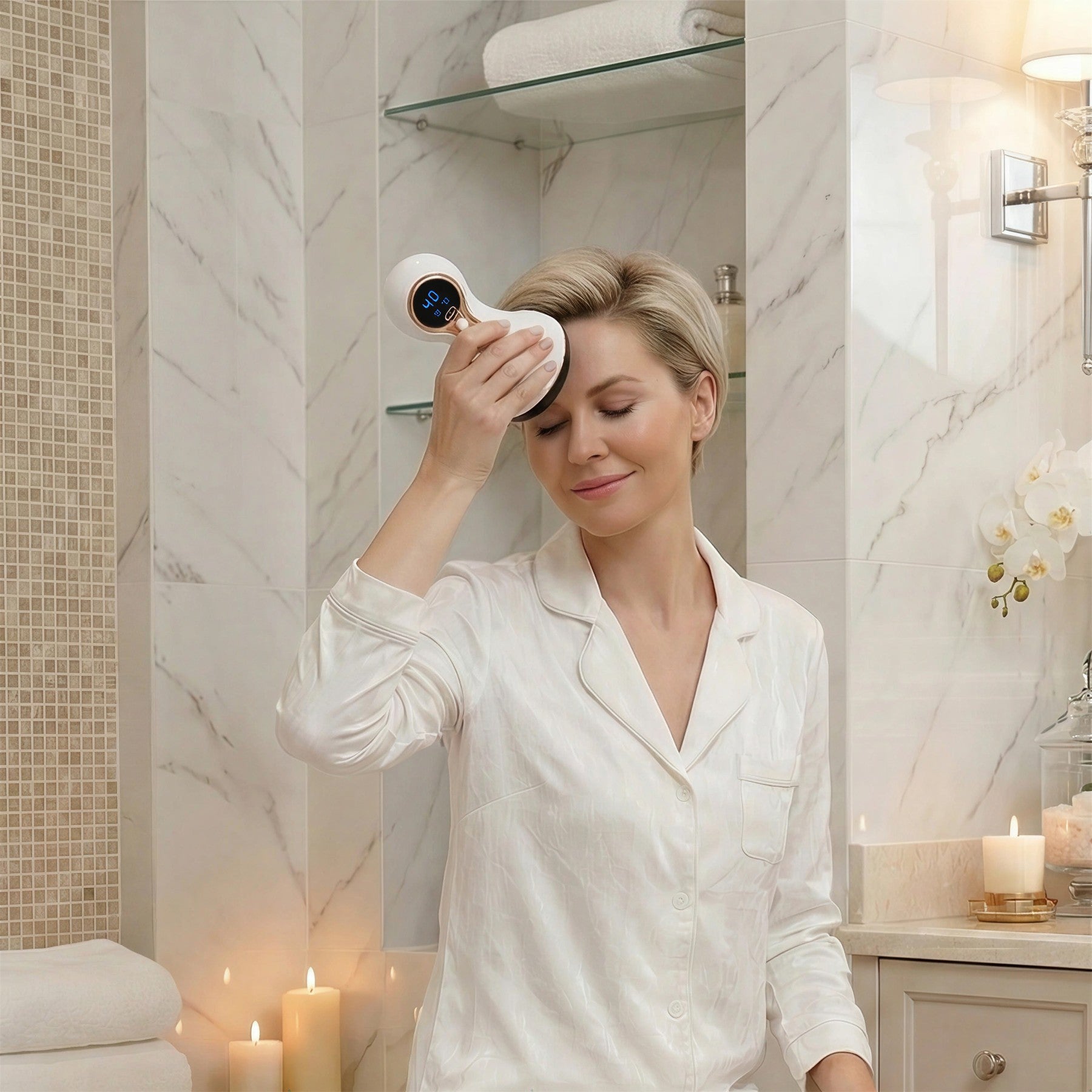
How to choose a device for a body part?
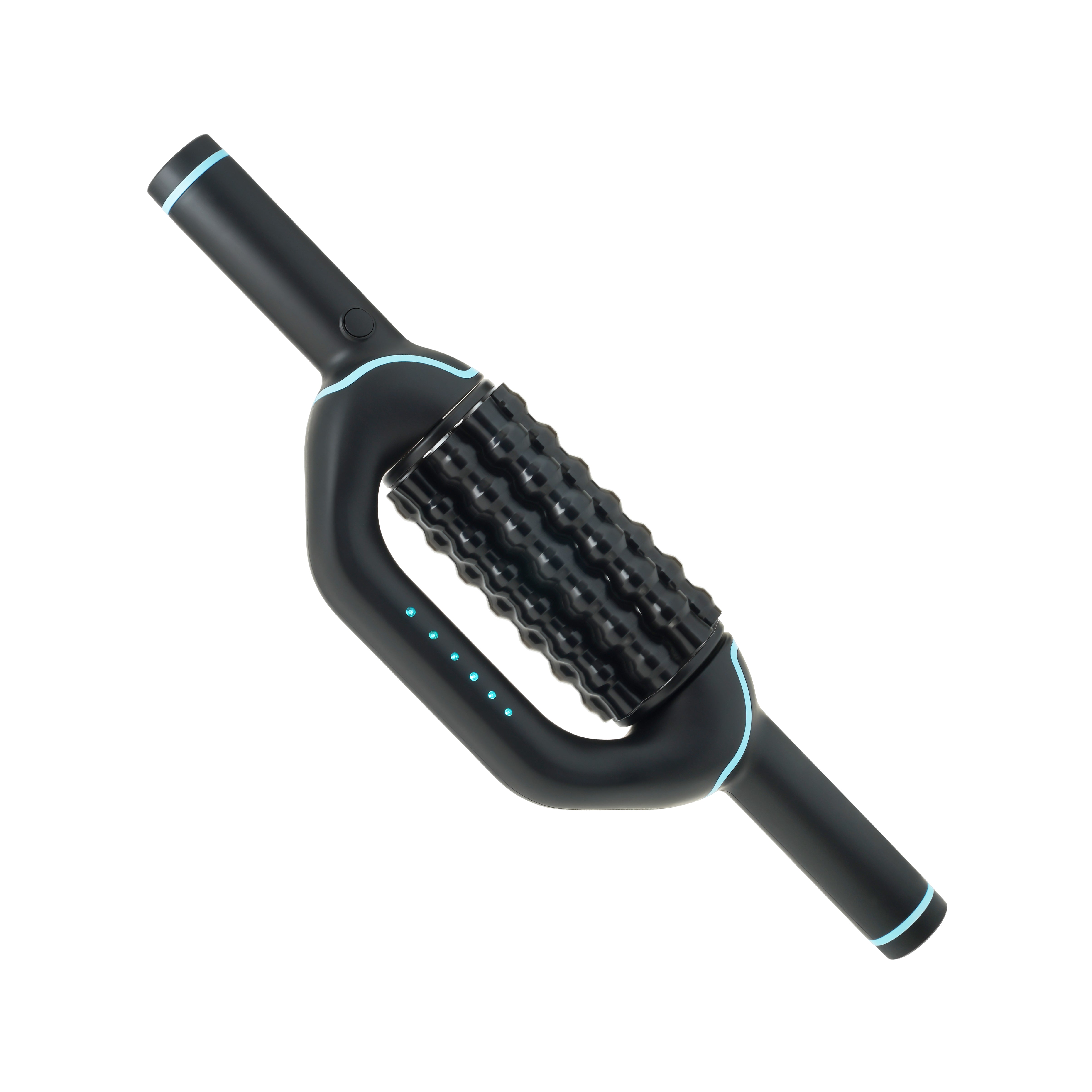
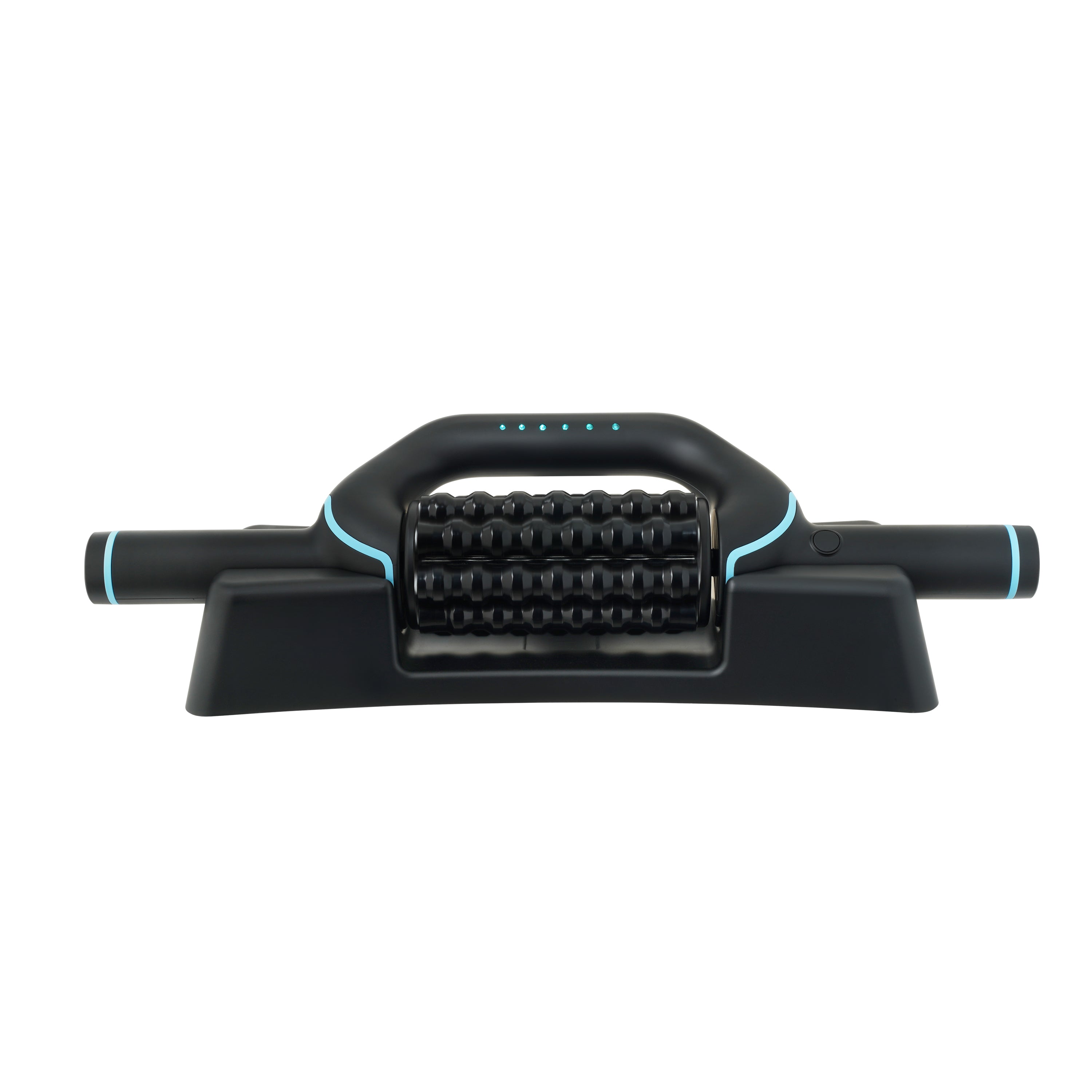
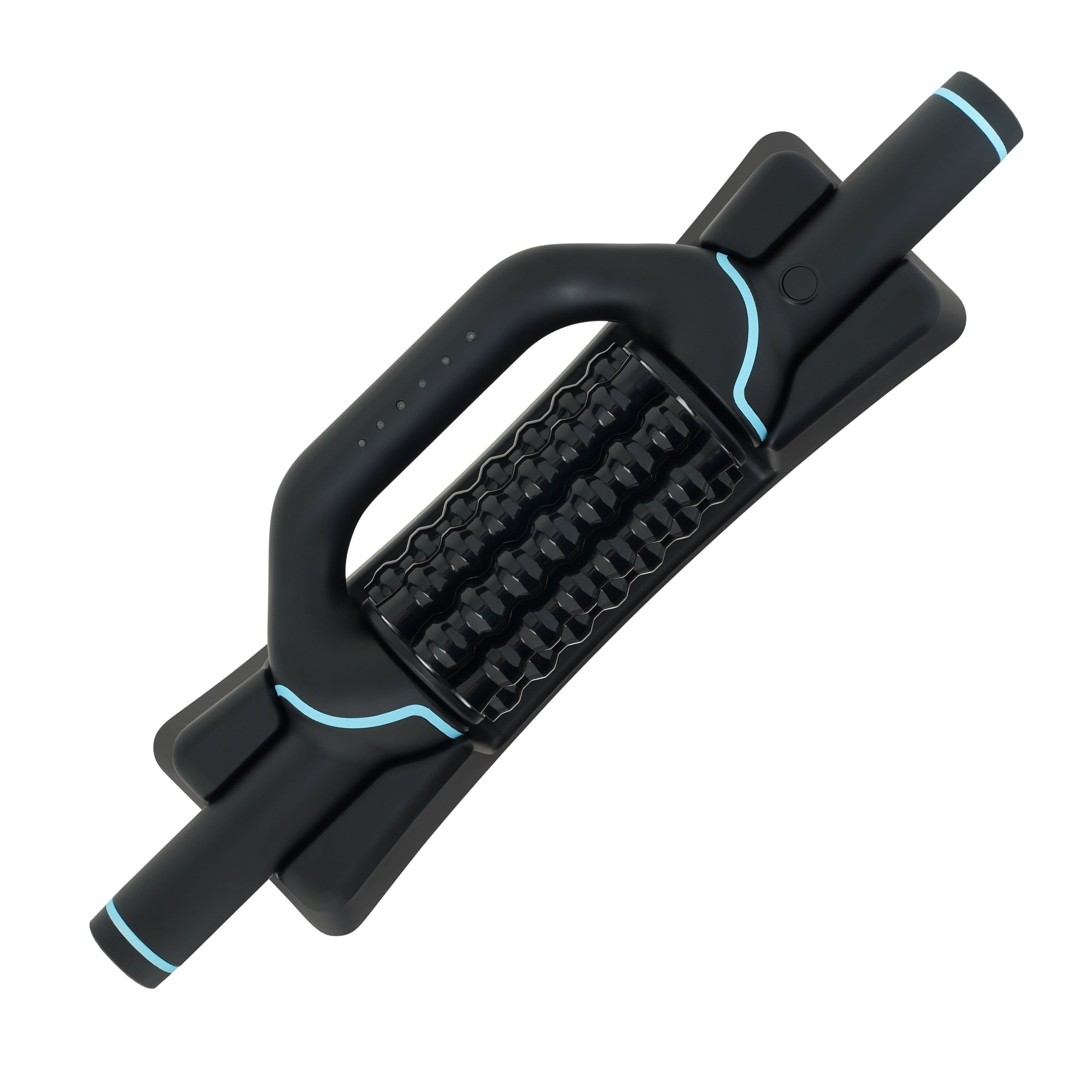
For the neck and back, pillows, collars, and mats are comfortable.
Feet require a design that supports the arch and heel, and the hand works well with an enclosed compression massager.
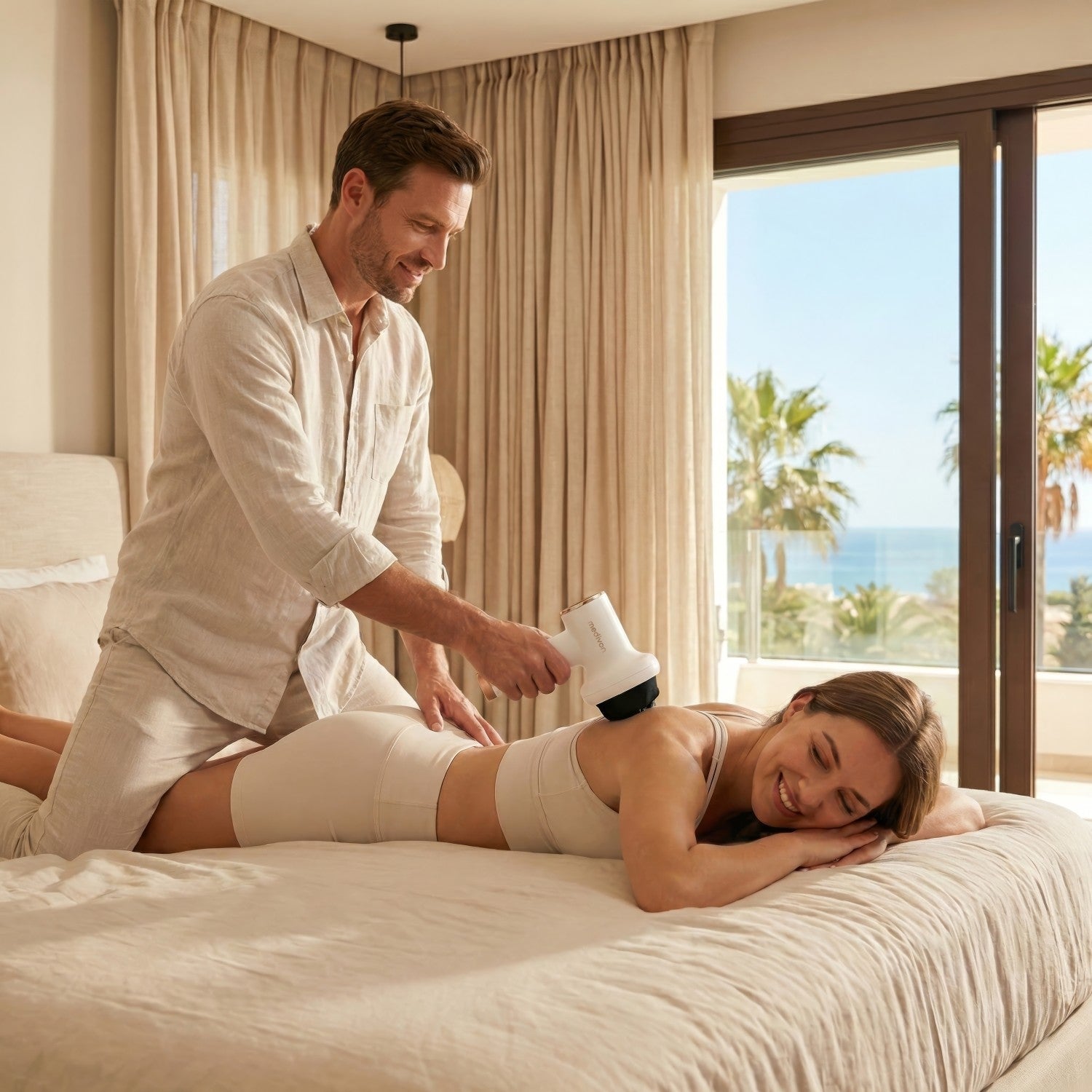
A massage gun provides more freedom and allows for targeted work on large muscle groups.
More isn't always better
The highest intensity level is not automatically the most effective. A session should be noticeable but not cause sharp pain, numbness, or bruising. For first-time use, it is advisable to start with low intensity and a short duration.
How to use safely?
Avoid sensitive areas
Do not hold the high-intensity head on bones, joints, the front of your neck, or damaged skin.
Respond to troubling signals
Discontinue the session if you experience pain, severe discomfort, or any other disturbing reaction.
Take care of the device
Clean and maintain the device as instructed in the manual.
Products from this category
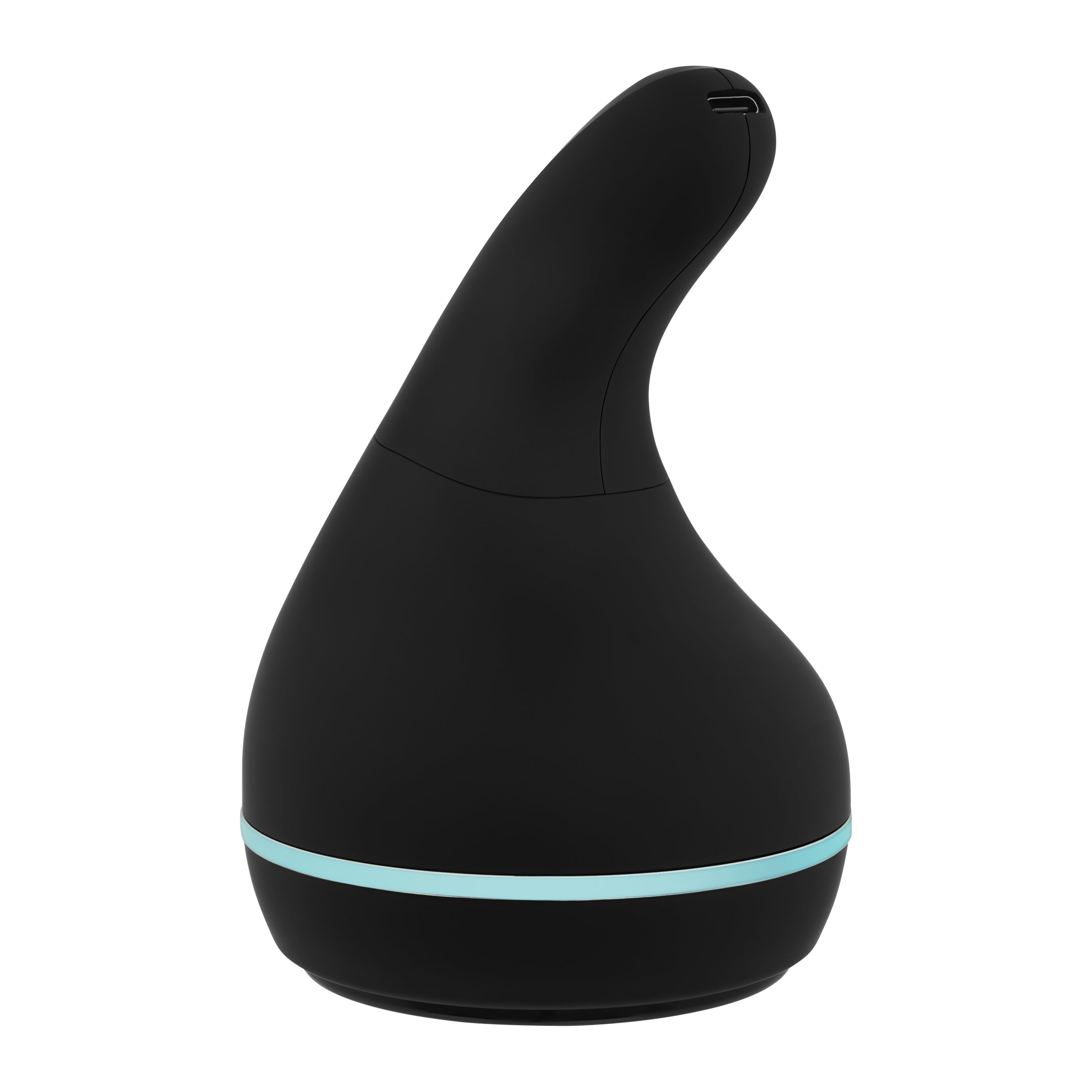
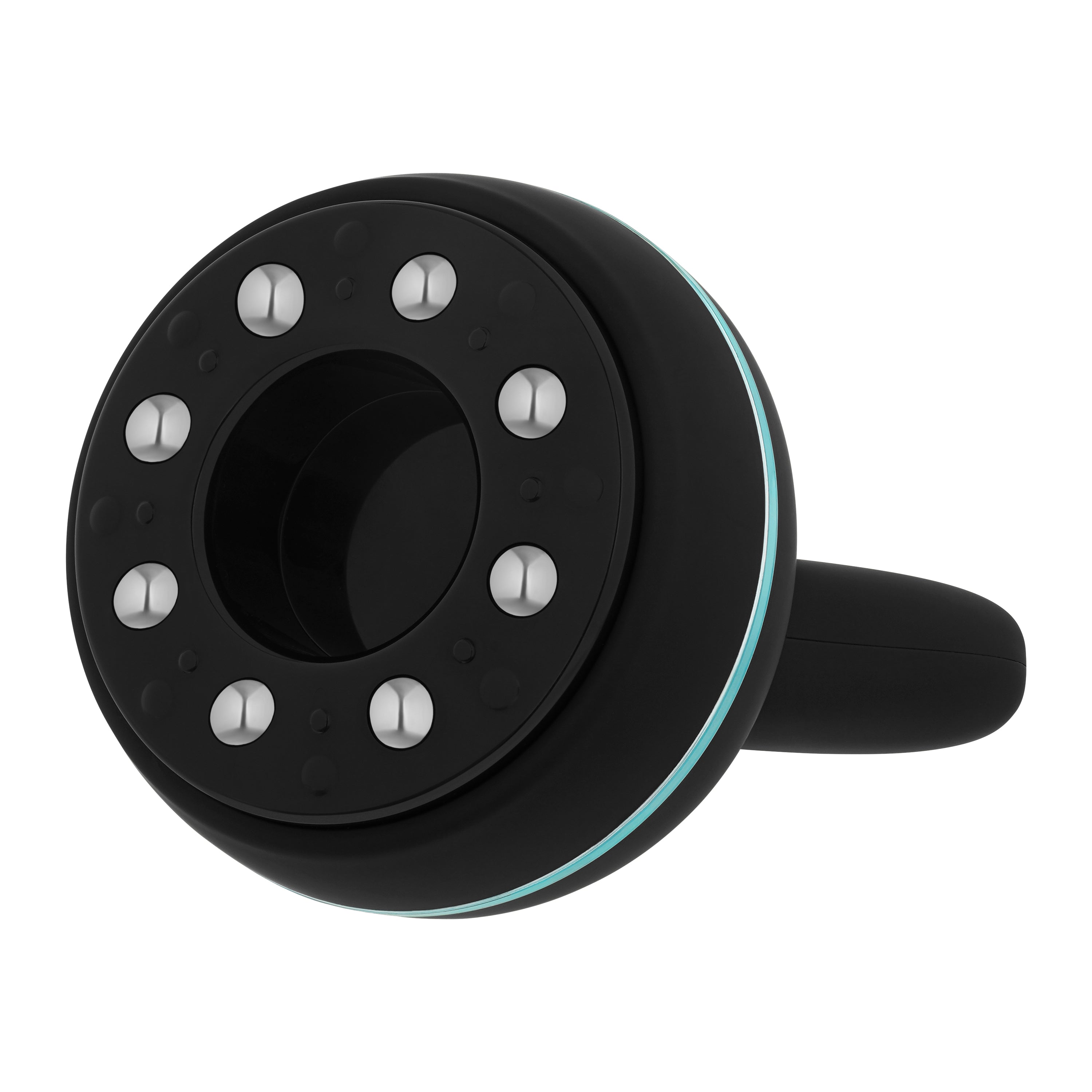
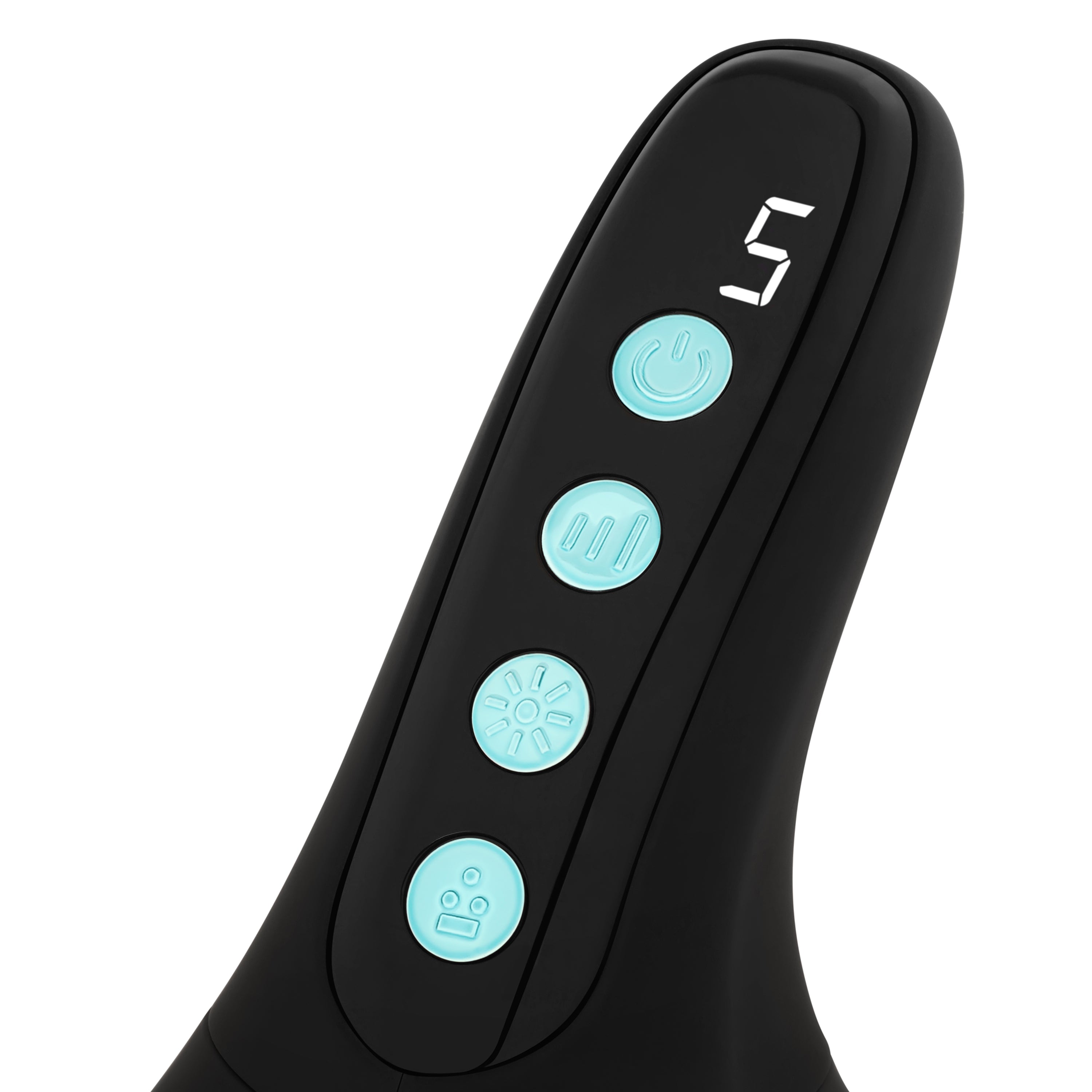

USB charging
![Device power [W]](http://www.medivon.eu/cdn/shop/files/Moc_urzadzenia_W.svg?v=1789053296&width=24)
8

2

9
USB-C charging
36
2
6
230 V mains power
12
6
6
USB-C charging
10
3
3
FAQs
For more information, please visit our FAQ page.
What kind of massage should I choose?
Percussive massage works well for pinpoint relief, while kneading or vibrations are better for general relaxation.
Can a massage be painful?
Acute pain is not a proper goal of the session. In that case, you should decrease the intensity or discontinue use.
How long should the session last?
Use the time recommended by the manufacturer. A shorter, regular session is usually better than a very long one.
Can a massage gun be used on the spine?
Do not hit directly on the vertebrae or other bones. The device should be used on the muscles nearby.
Does the device replace a physical therapist?
No. It is a wellness tool and does not replace professional diagnosis or therapy.