



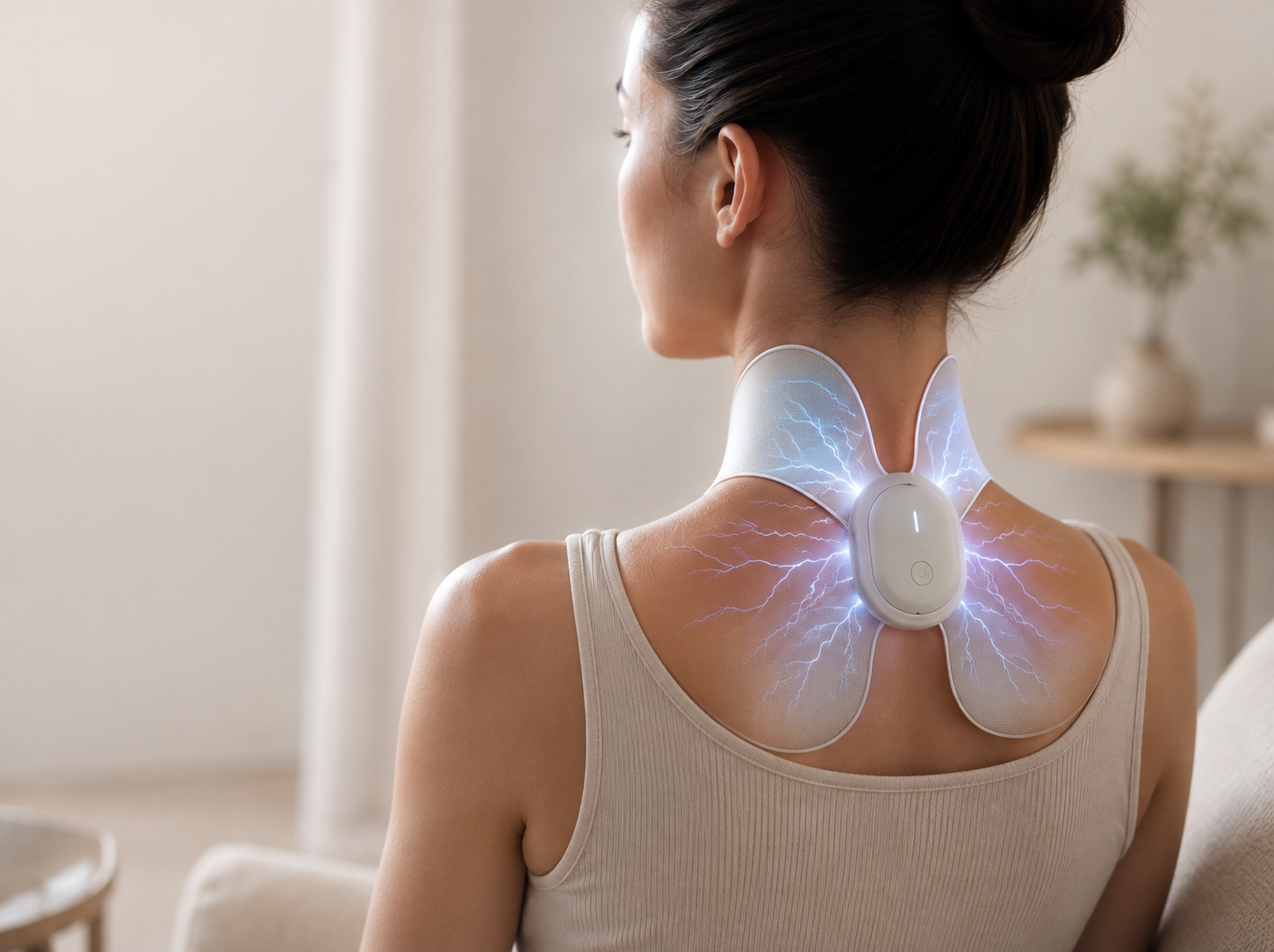
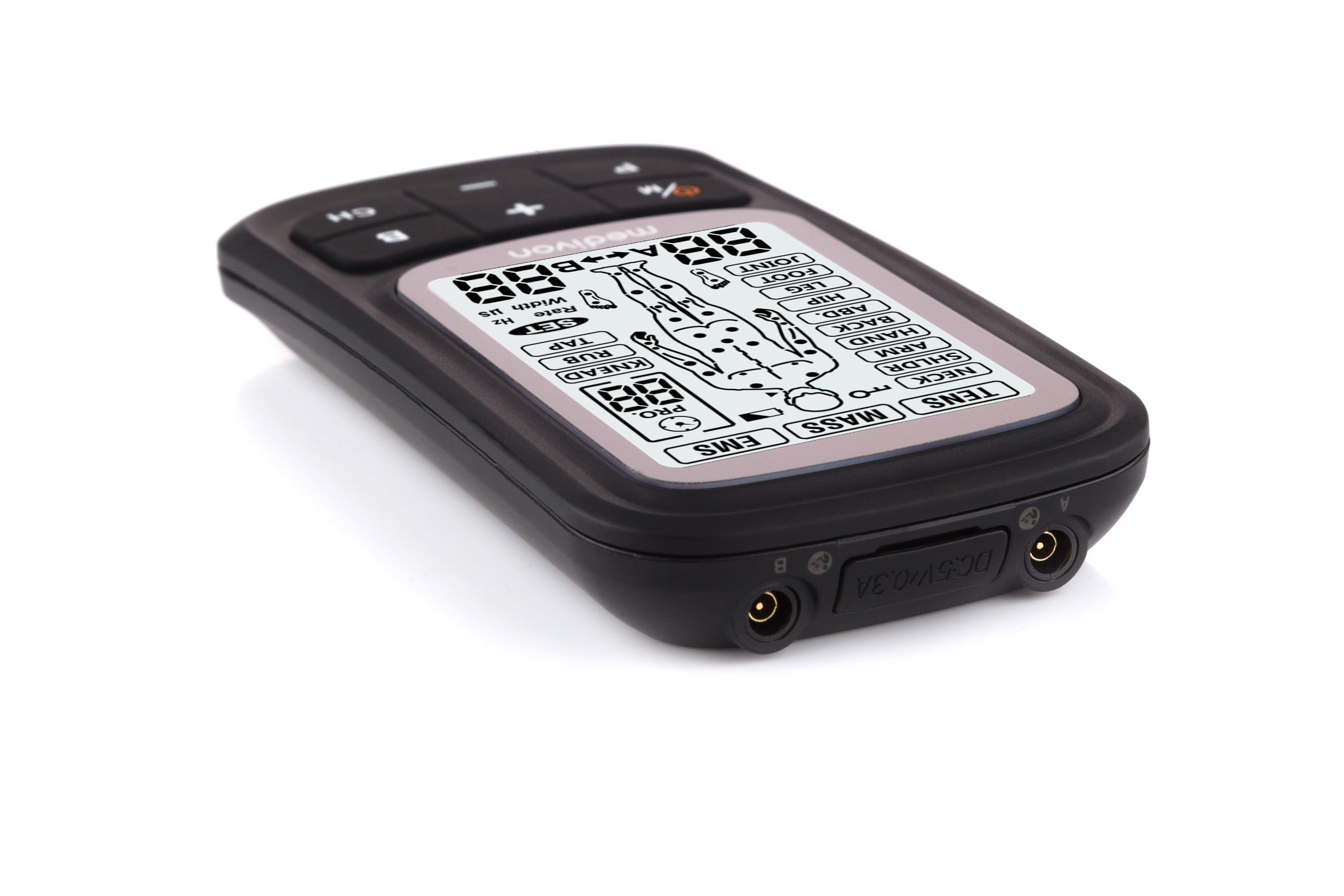
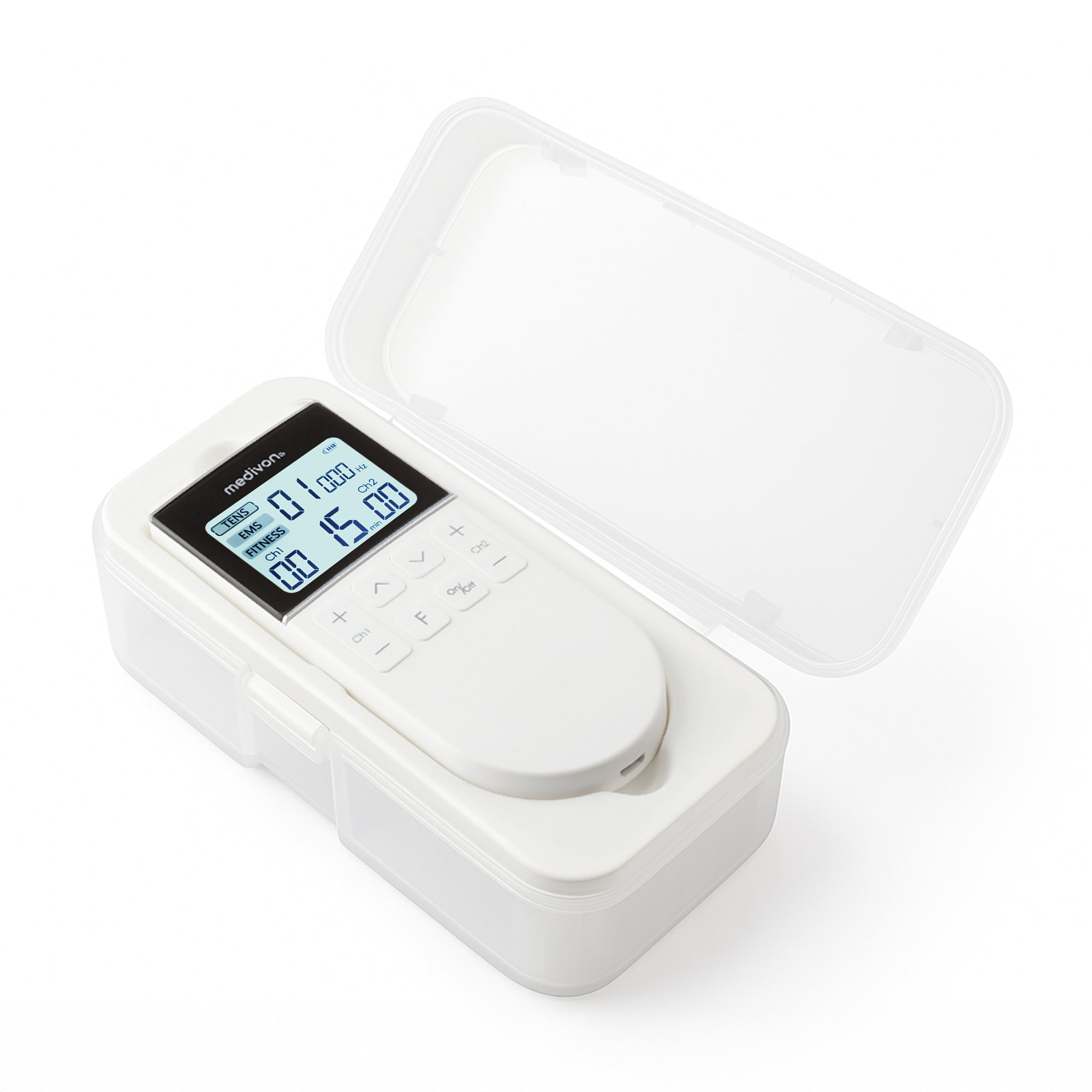
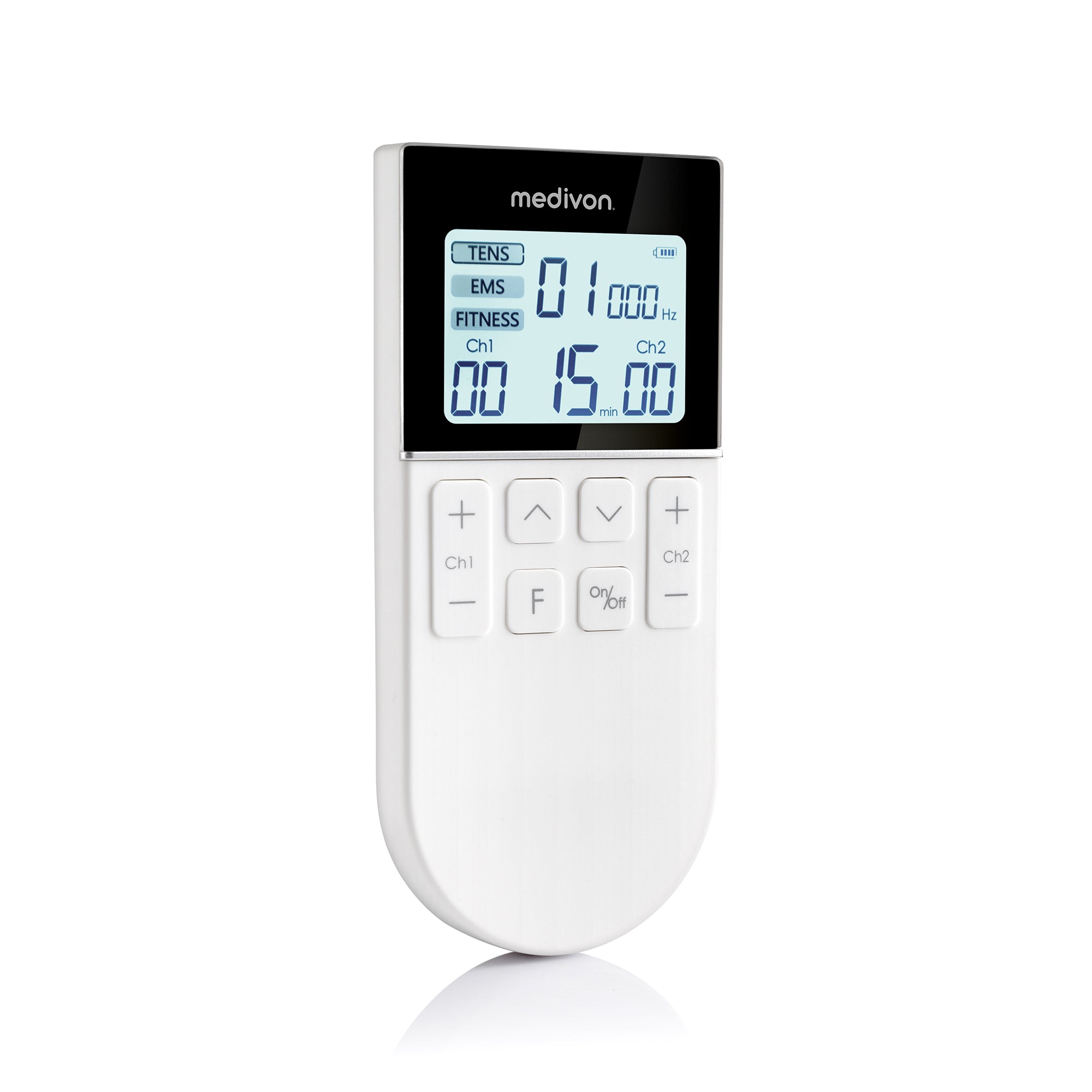
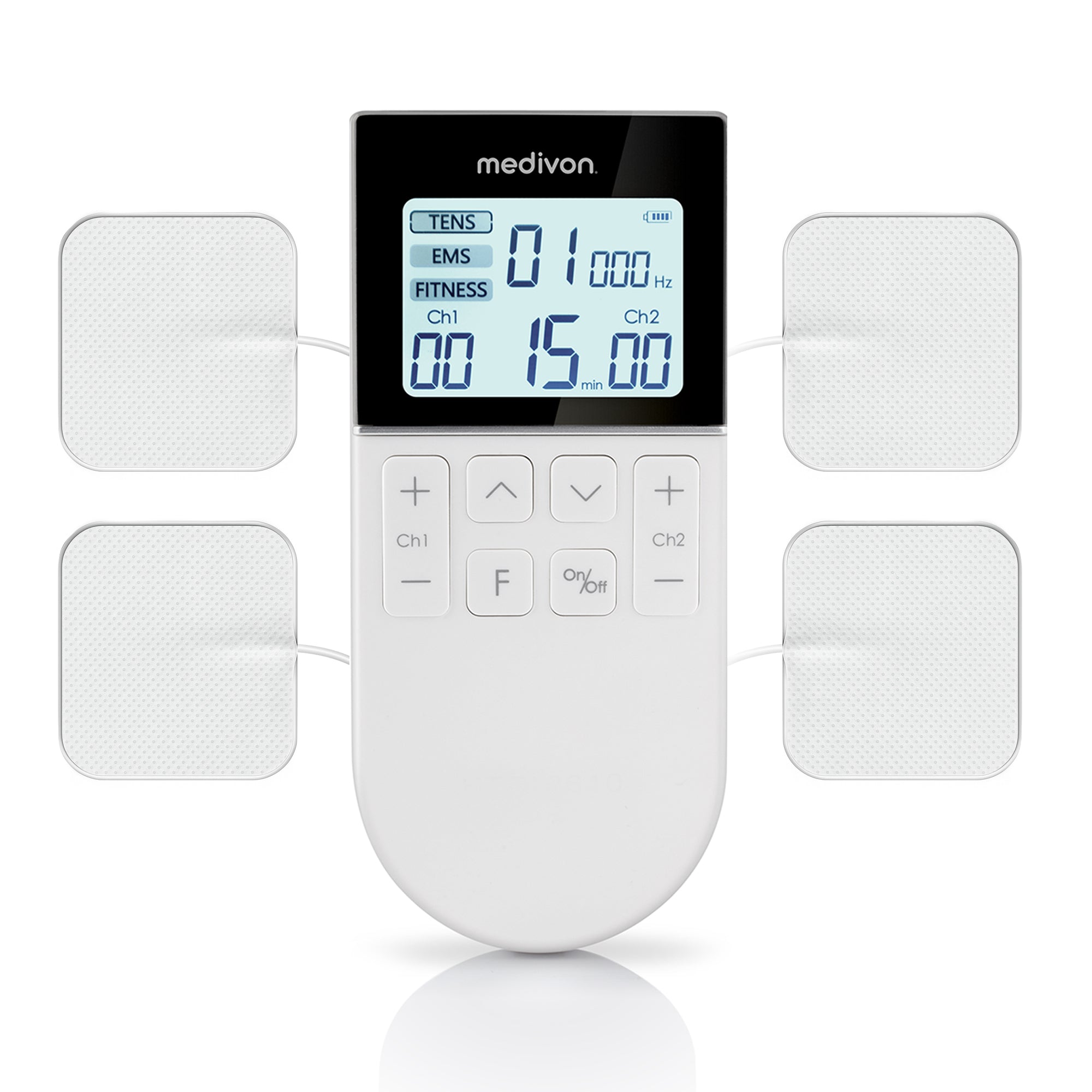
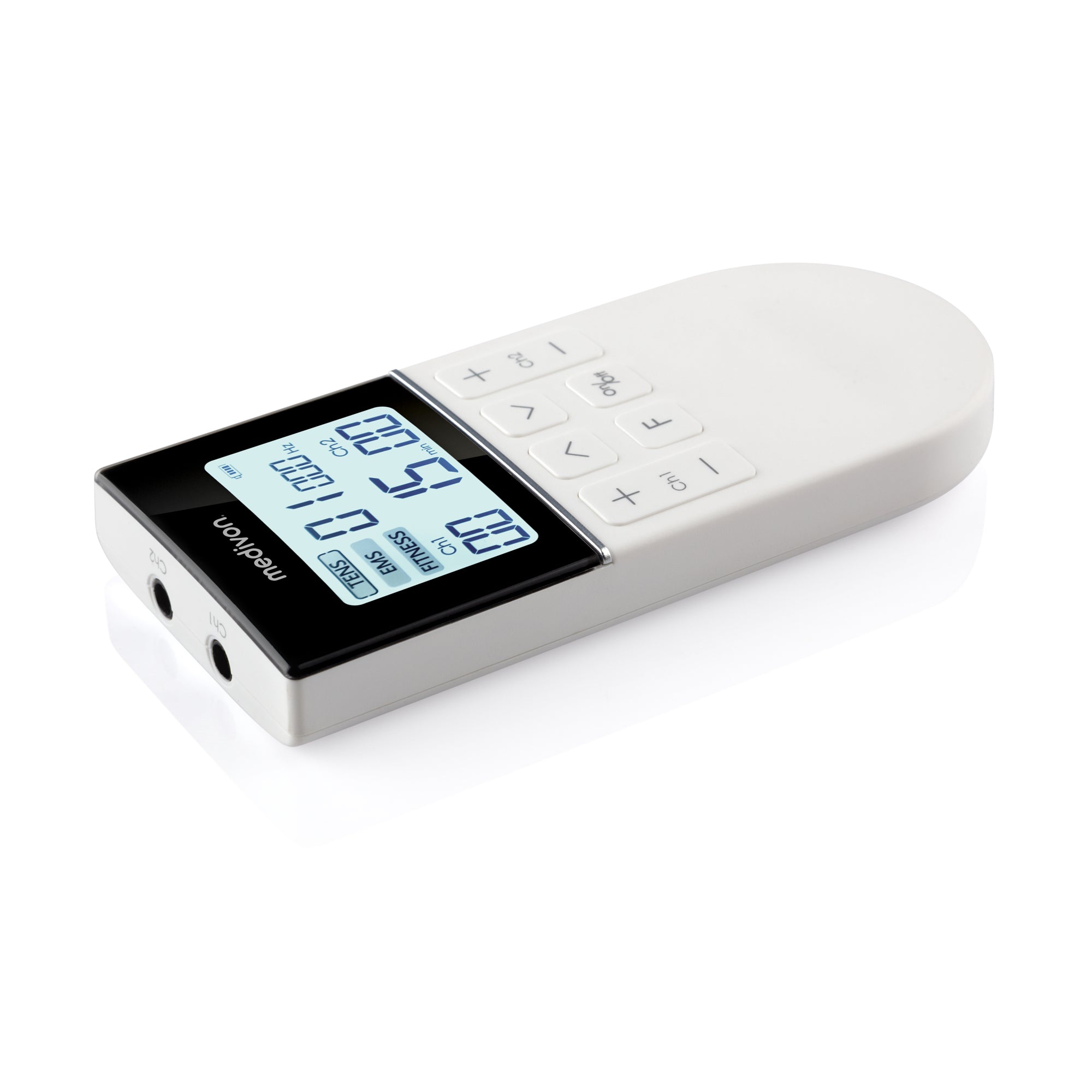
EMS, or Electrical Muscle Stimulation, uses electrical impulses transmitted through electrodes placed on the skin.
The impulse stimulates motor nerves, which can cause a visible or palpable muscle contraction.
The technology is used in training, physiotherapy, and home devices, but its effectiveness depends on the program, correct electrode placement, and the session's objective.
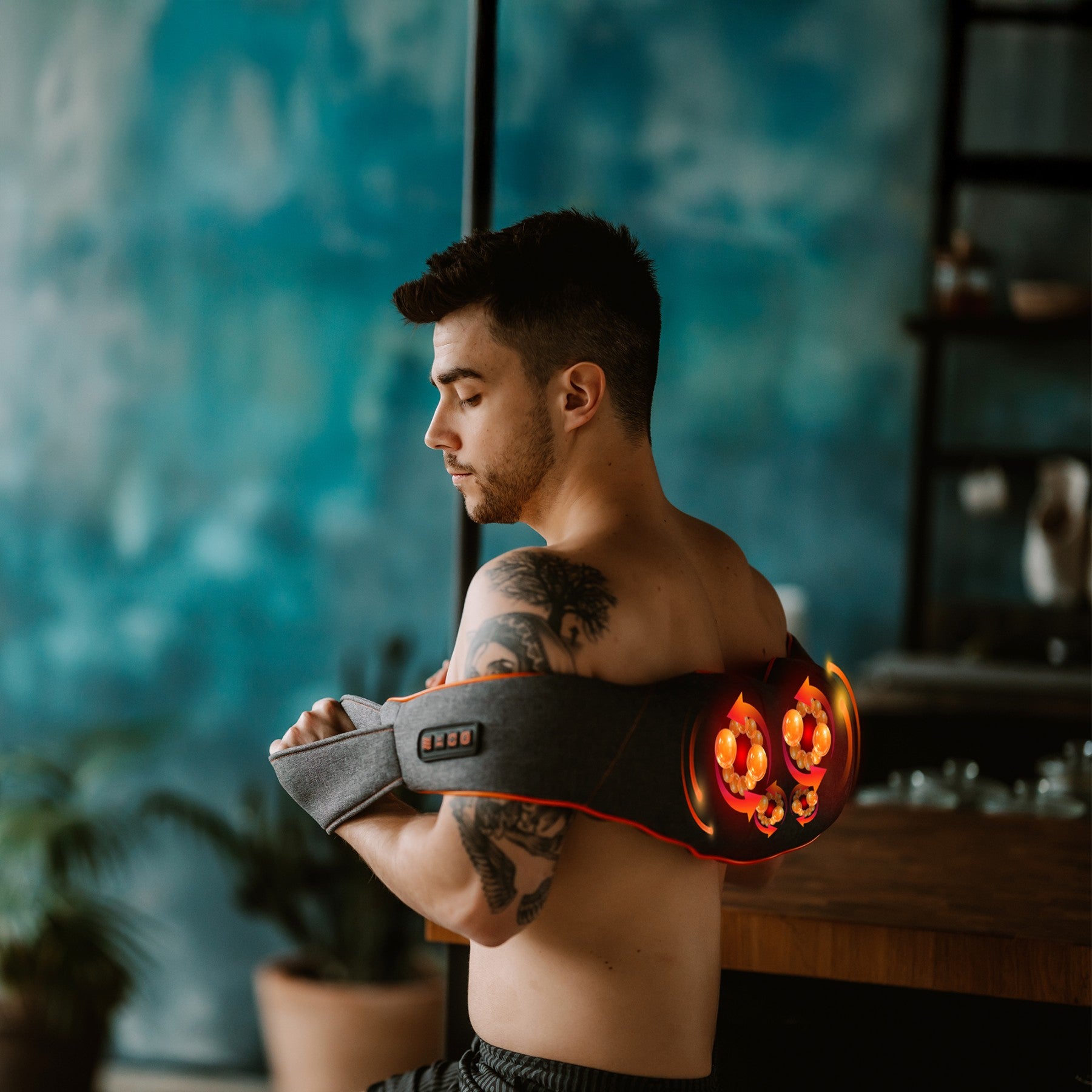
How does muscle stimulation work?
During natural movement, the nervous system sends electrical signals to the muscles. EMS uses an external impulse to elicit a similar response.
The user may experience tingling, pulsing, or rhythmic muscle contractions.
Frequency, pulse width, and intensity affect the nature of the stimulation.

EMS does not replace exercise
Electrical stimulation can supplement training, but it does not replicate all the effects of resistance exercises with a full range of motion.
Active training engages coordination, stabilization, and multiple muscle groups simultaneously.
EMS should be considered an additional tool, not a shortcut that allows you to give up on physical activity.

Application in muscle activation
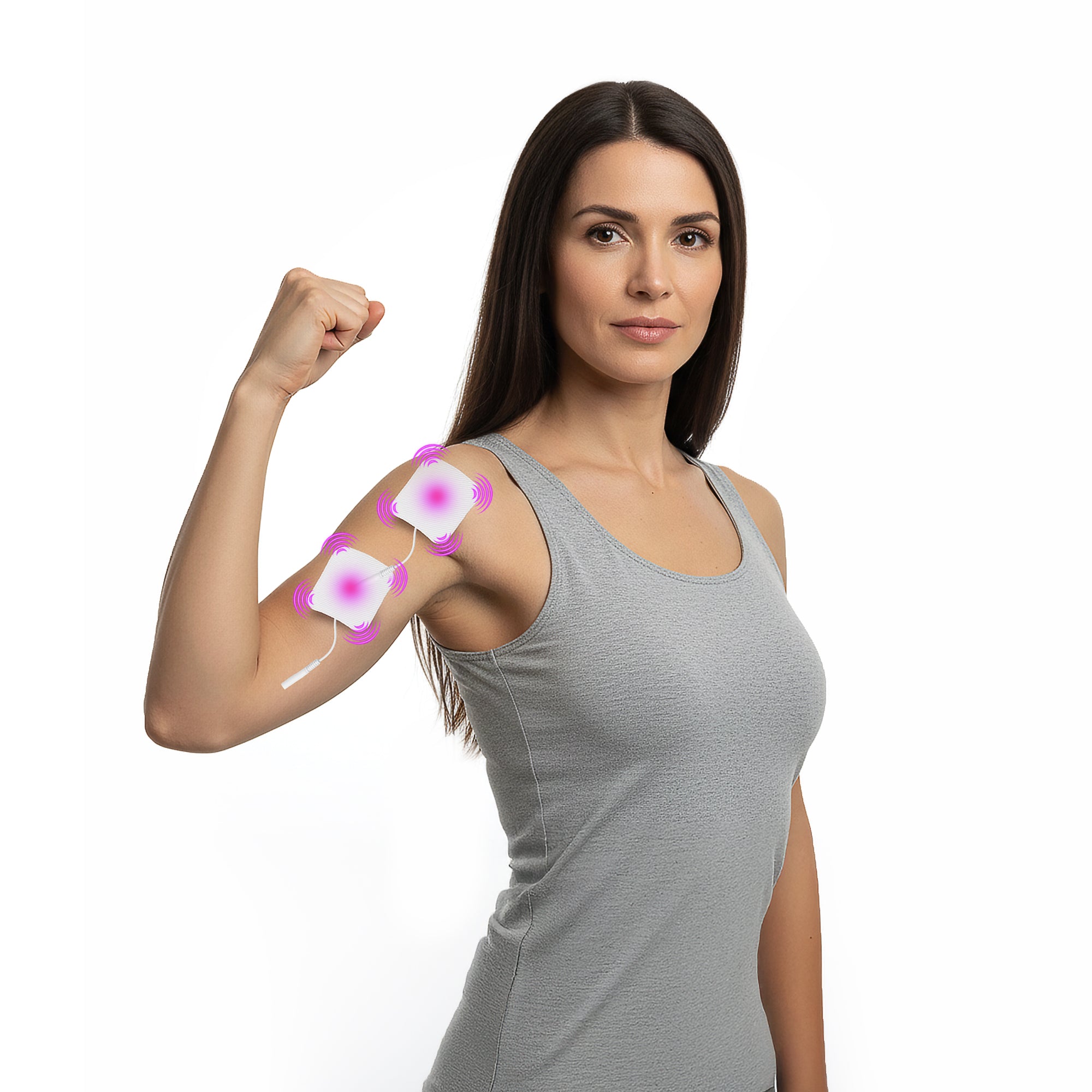
A properly selected program can cause repetitive contractions of a chosen muscle.
In research, the technology is used as an element of programs supporting strength or maintaining muscle function.
The effect depends on the intensity, number of sessions, application site, and user activity.
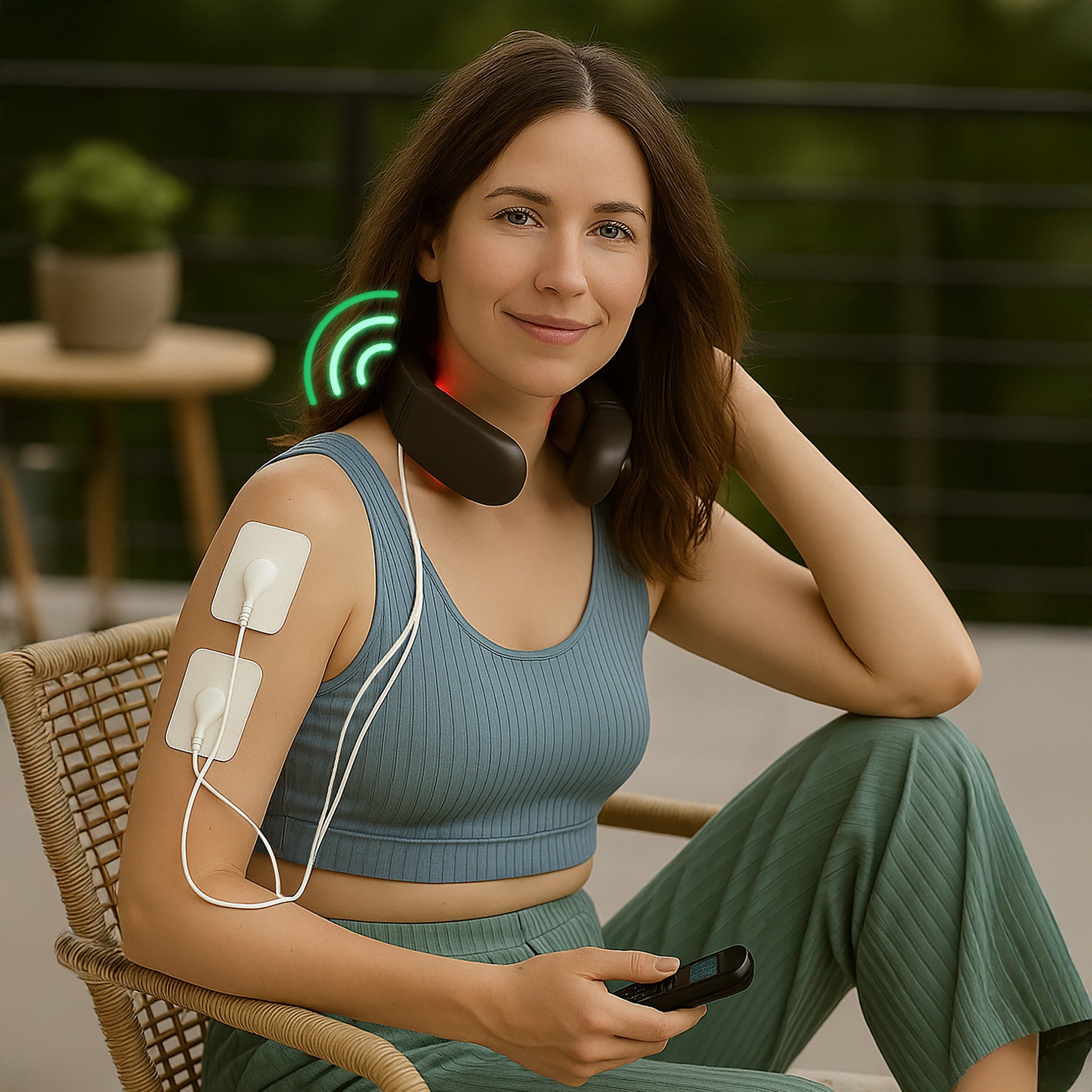
EMS and regeneration
Recovery programs may give the sensation of a pulsating massage, but evidence for significant acceleration of recovery and reduction of delayed onset muscle soreness is inconclusive. It is safer to describe EMS as a technology that activates muscles and complements a training routine.
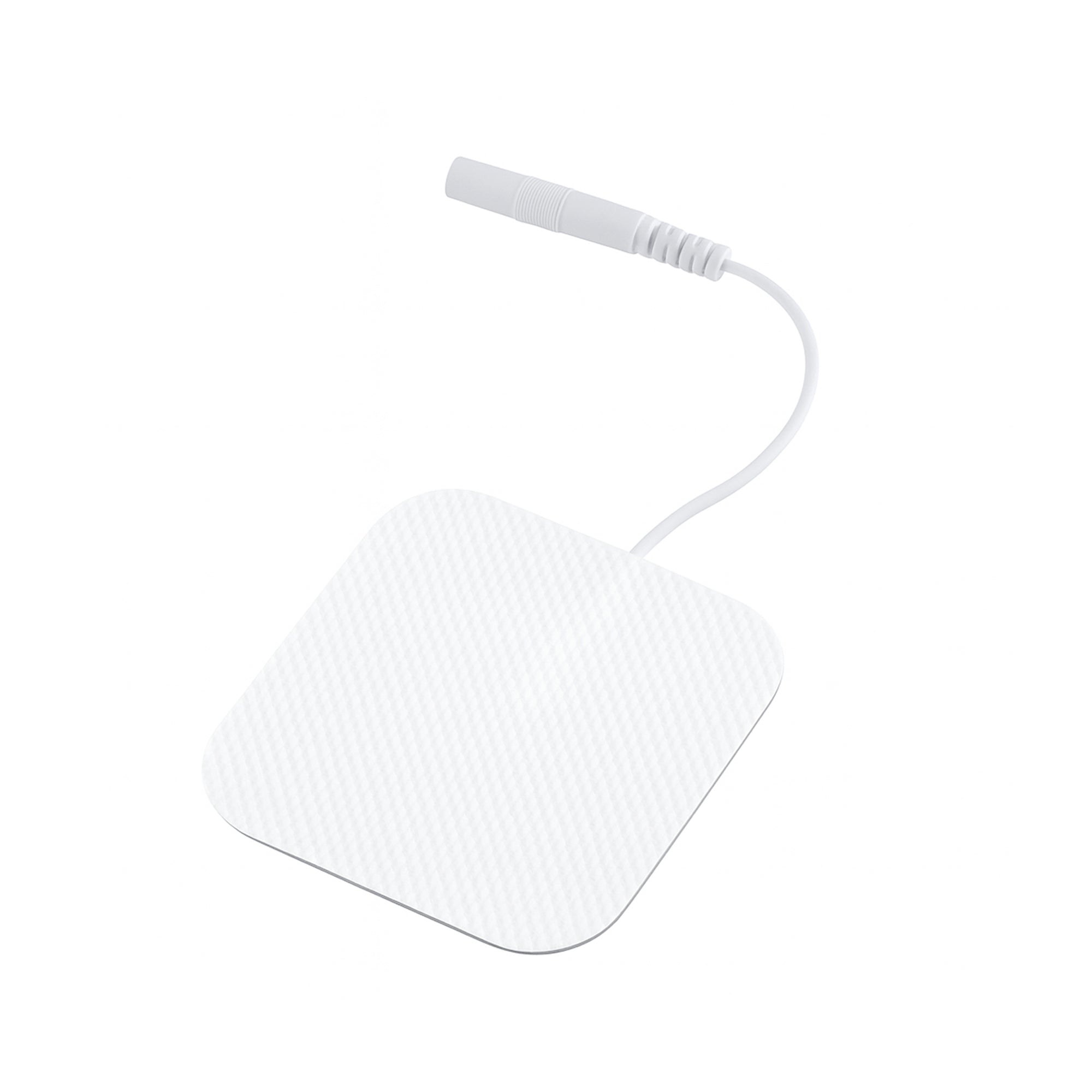
How to place electrodes?
Prepare the skin
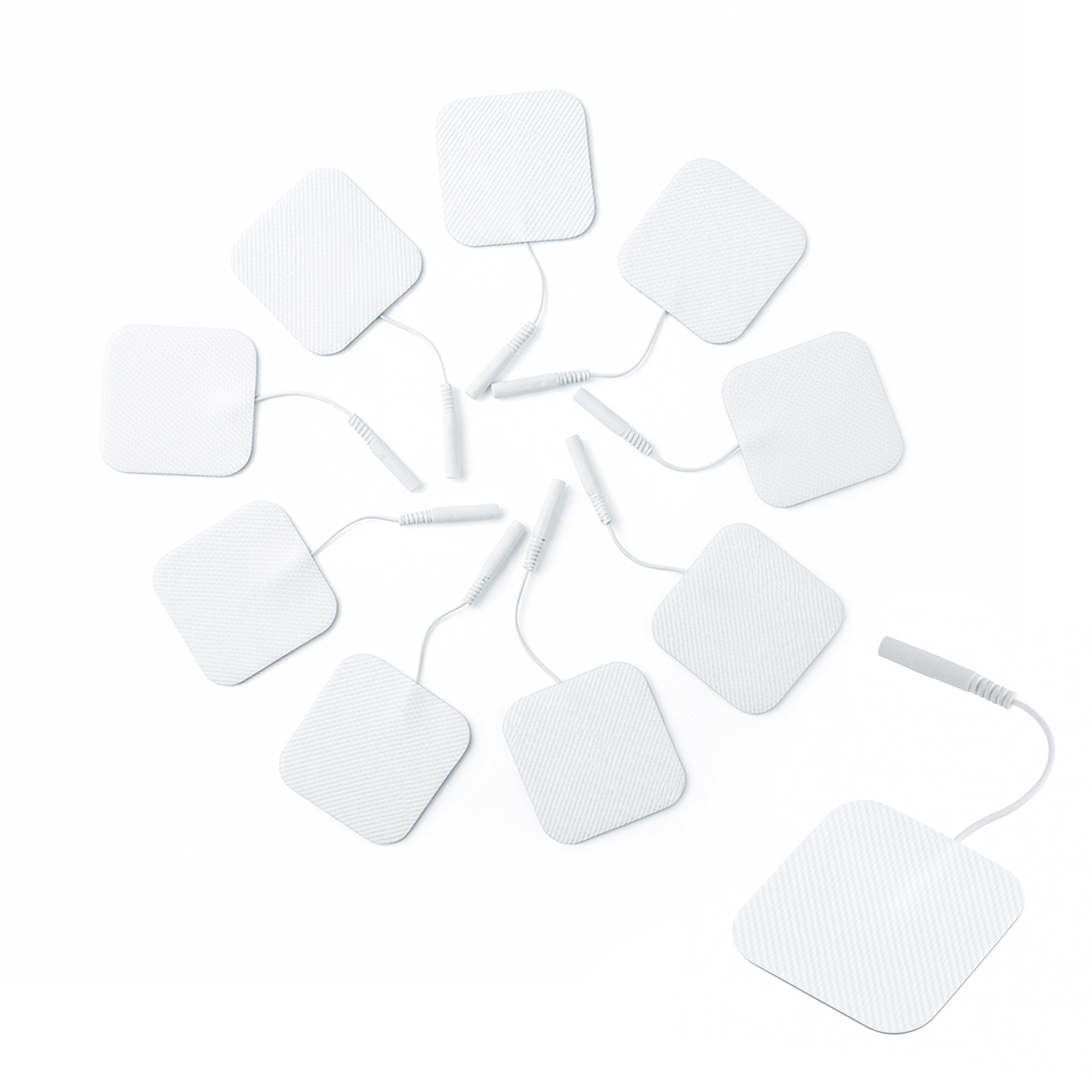
Apply the electrodes only to clean, dry, and undamaged skin.
Ensure proper spacing
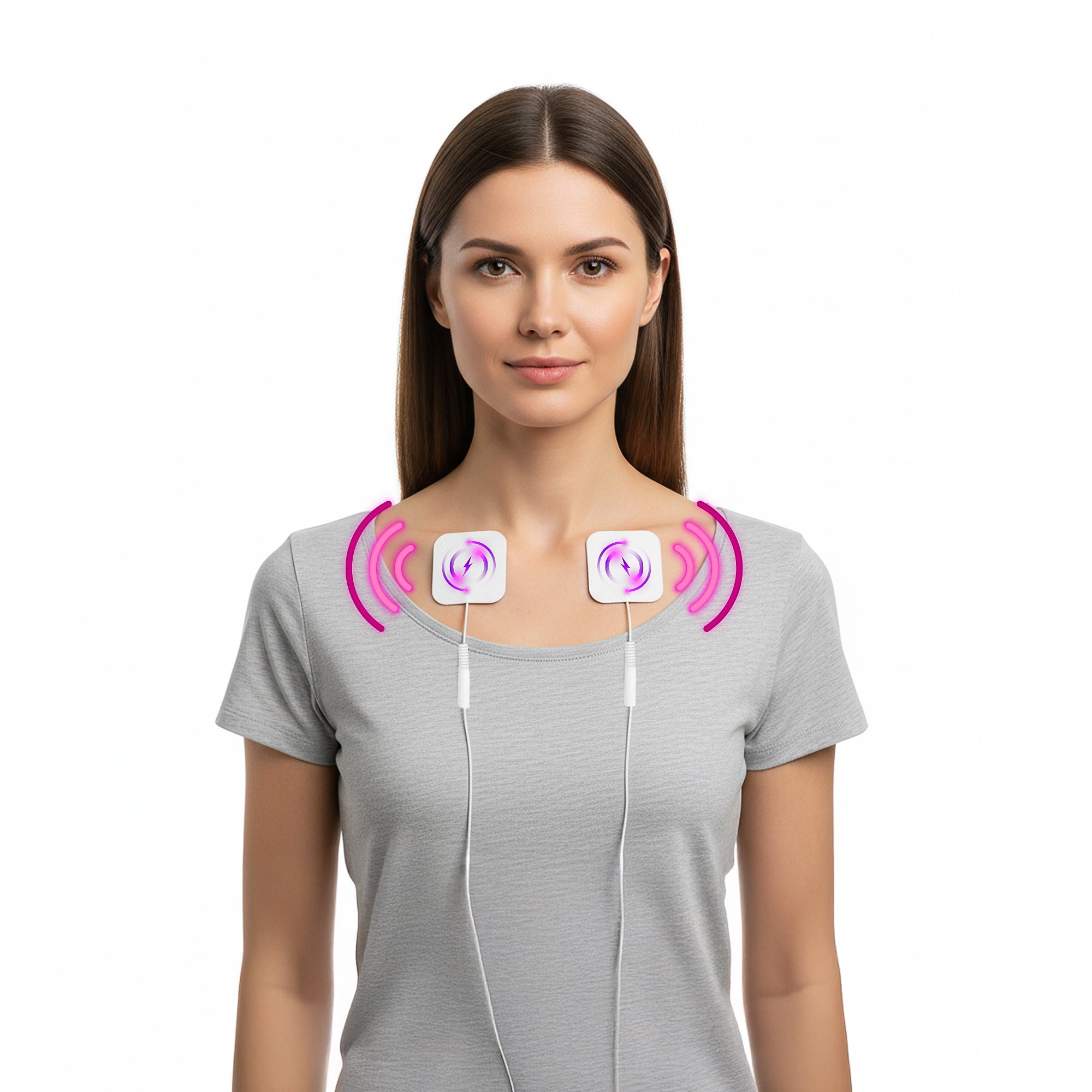
Place the electrodes according to the diagram for the selected muscle group. Do not place them directly on bones.
Increase the intensity gradually
Start at a low level and increase it gradually, adjusting the settings to your comfort.
Products in this category

No
![Quantity [pcs.]](http://www.medivon.eu/cdn/shop/files/Ilosc_sztuk_szt.svg?v=1789060311&width=24)
10

24

Grey
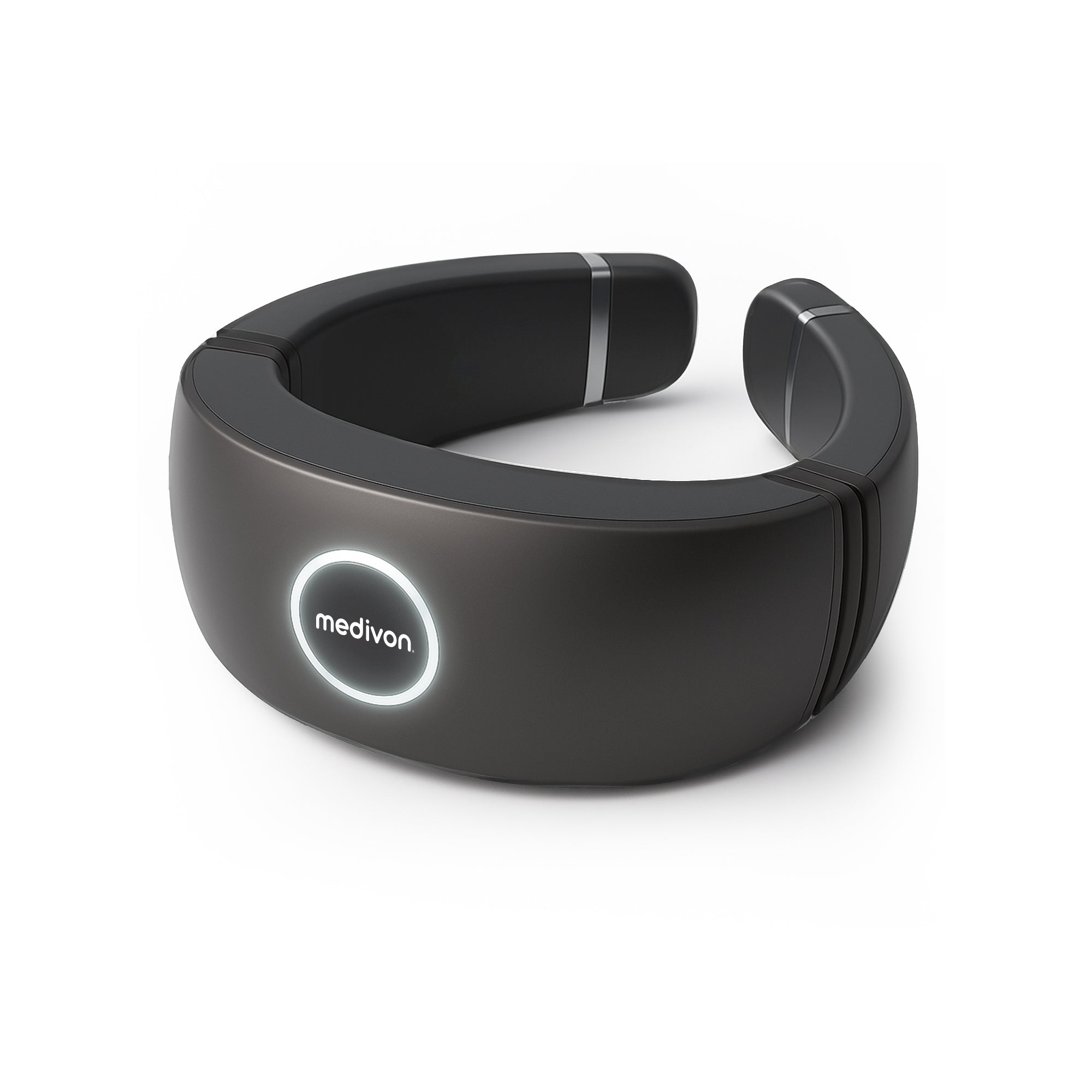
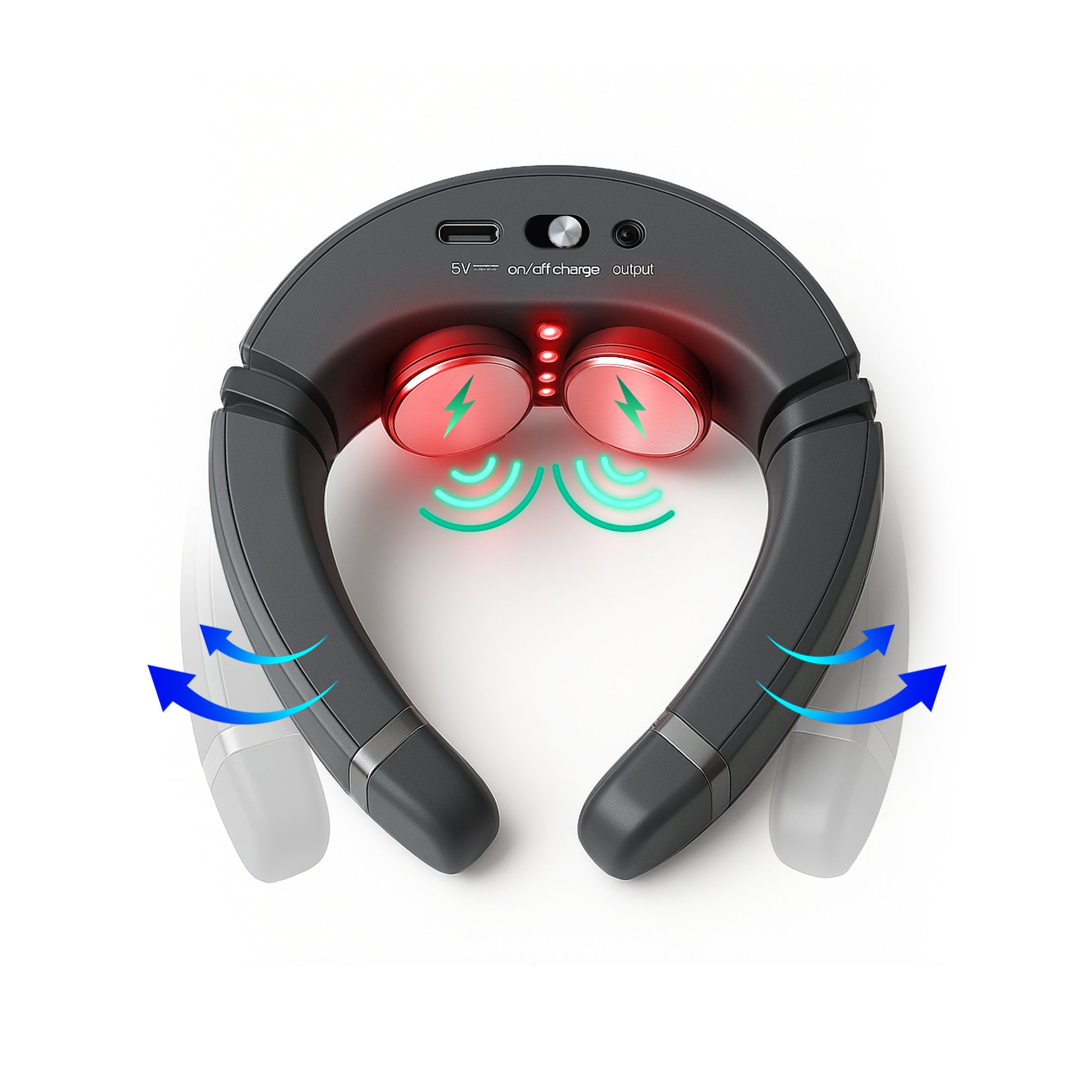
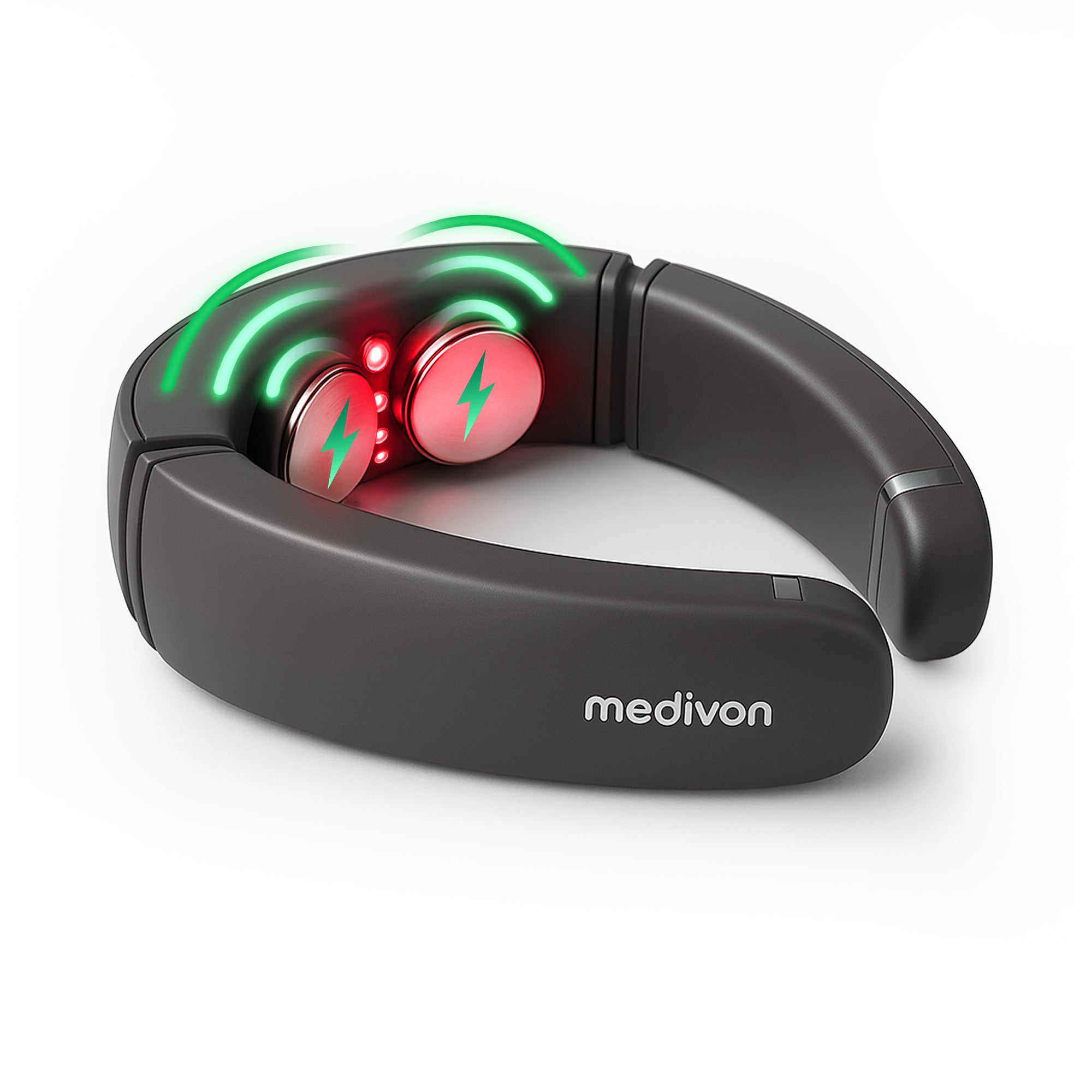

USB-C charging
![Device power [W]](http://www.medivon.eu/cdn/shop/files/Moc_urzadzenia_W.svg?v=1789053296&width=24)
5

4

16
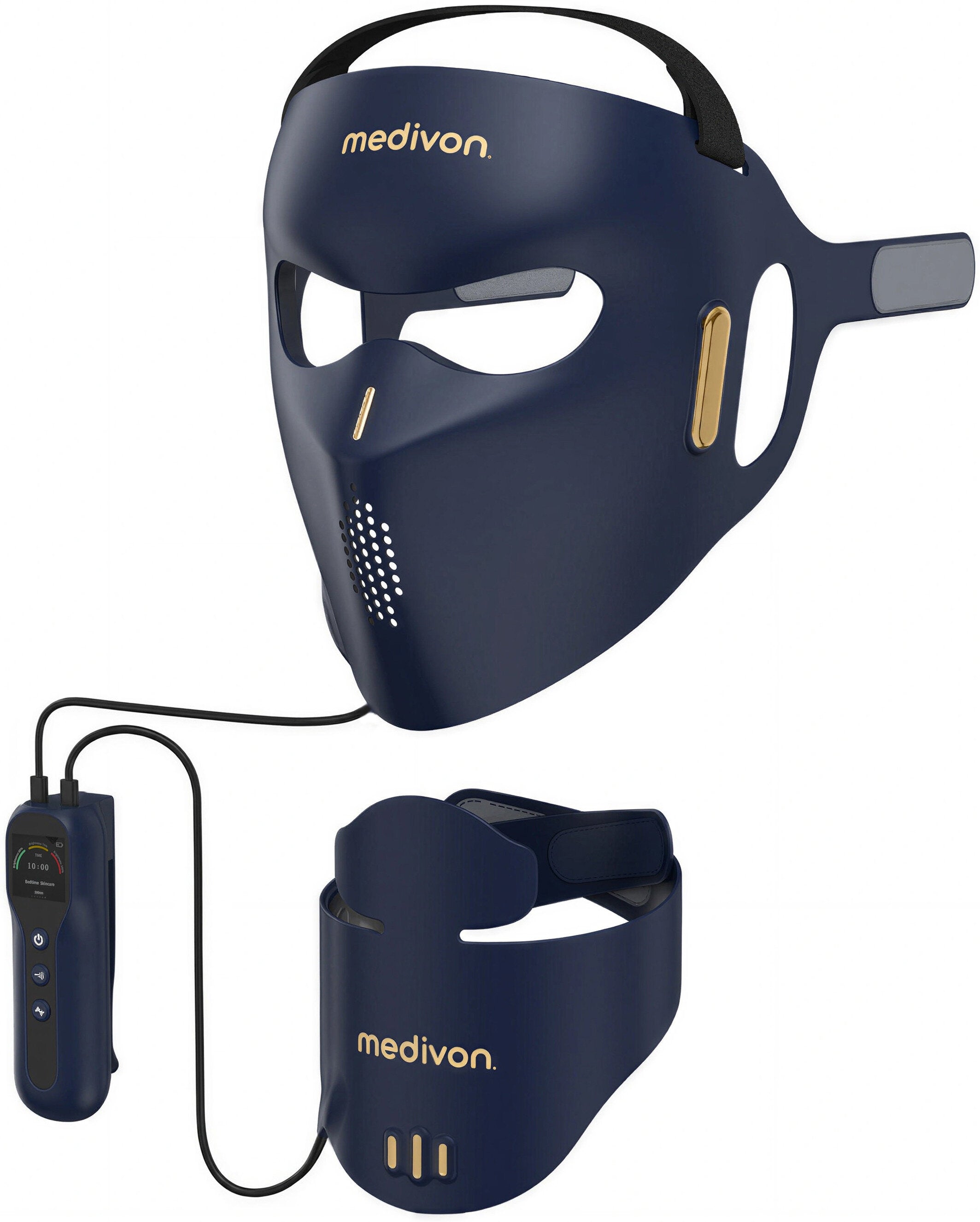


USB-C charging
5
4
![Battery runtime [min]](http://www.medivon.eu/cdn/shop/files/Czas_pracy_na_baterii_min.svg?v=1789057715&width=24)
120
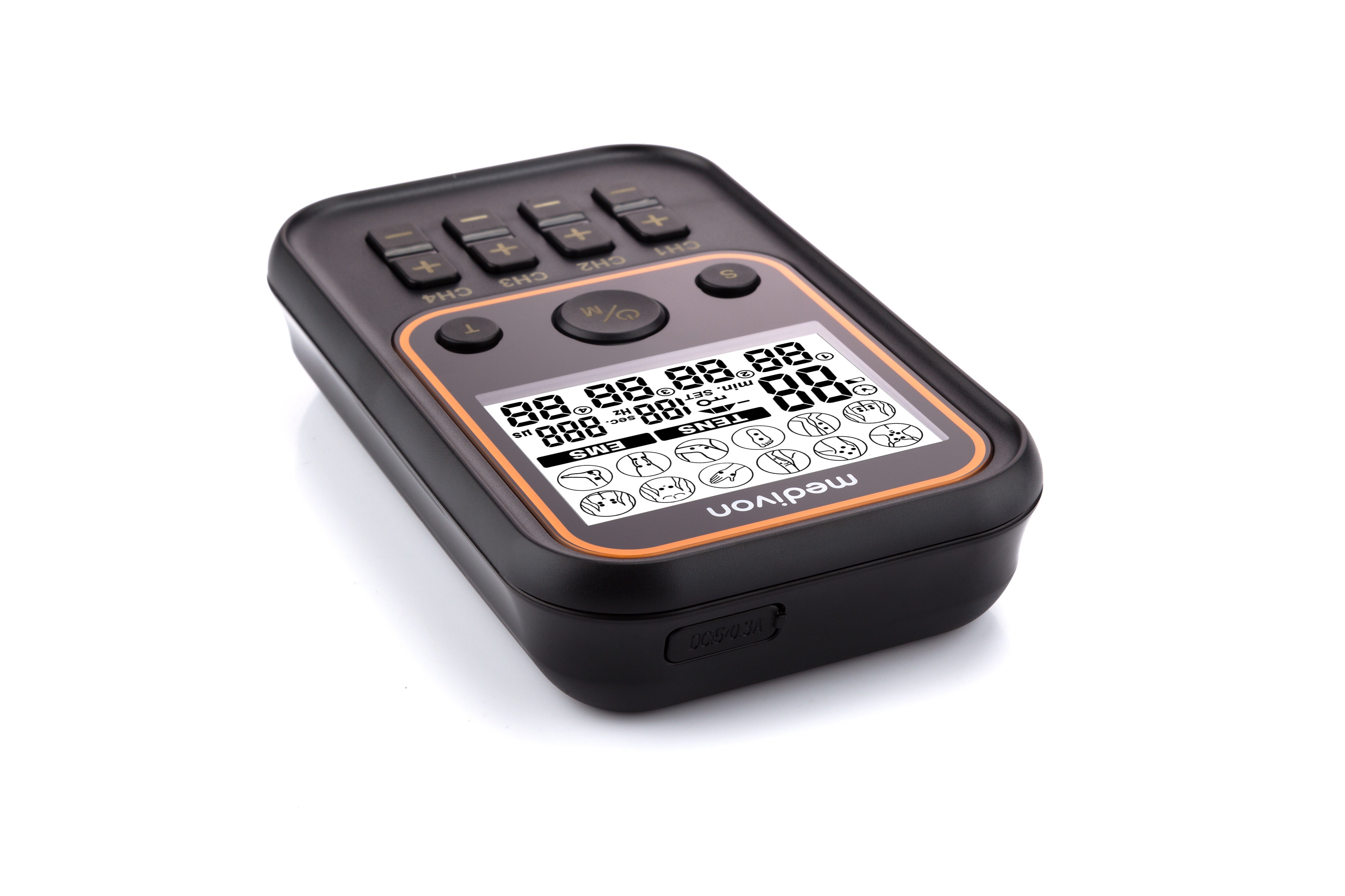
Micro-USB charging
5
2
50
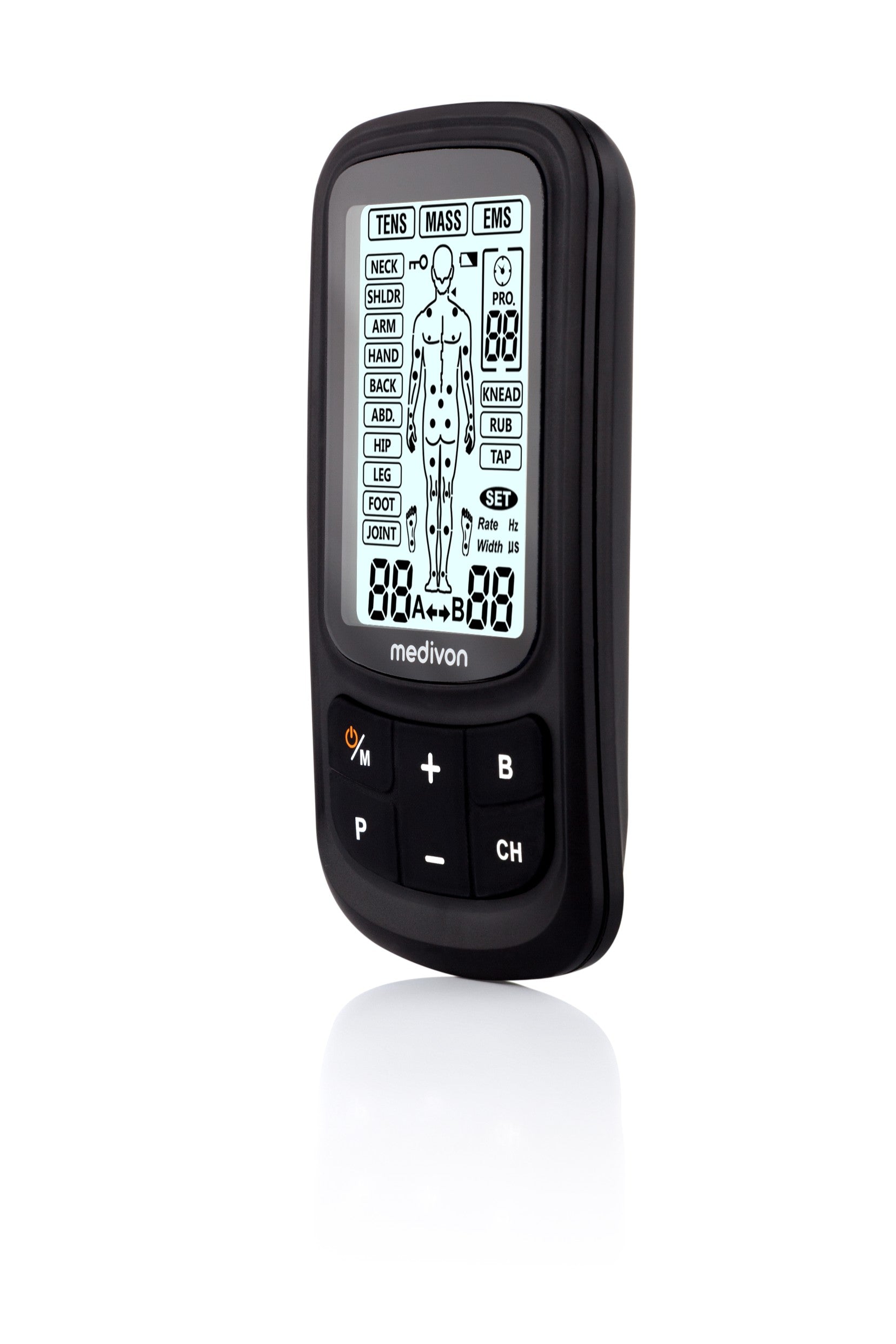
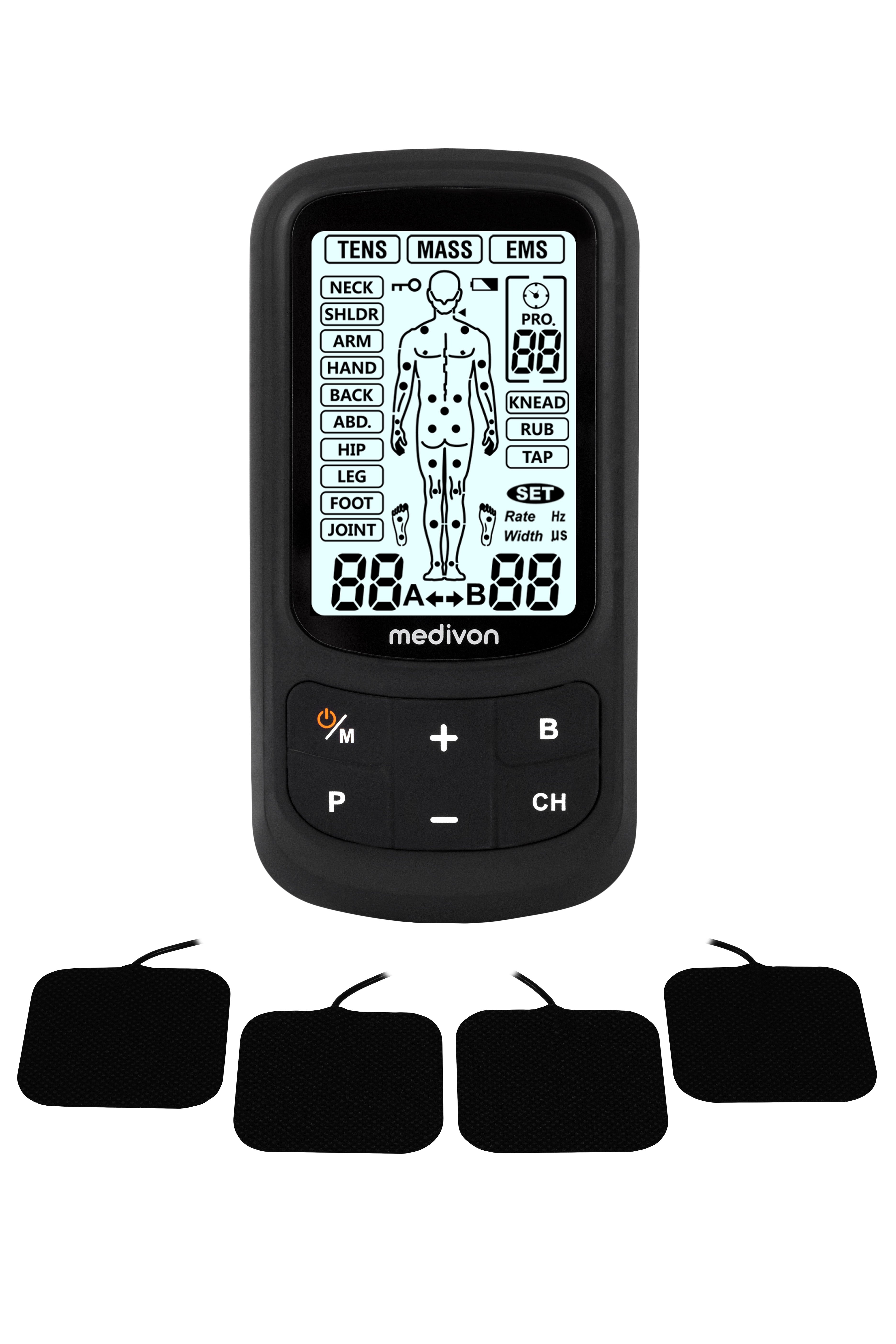
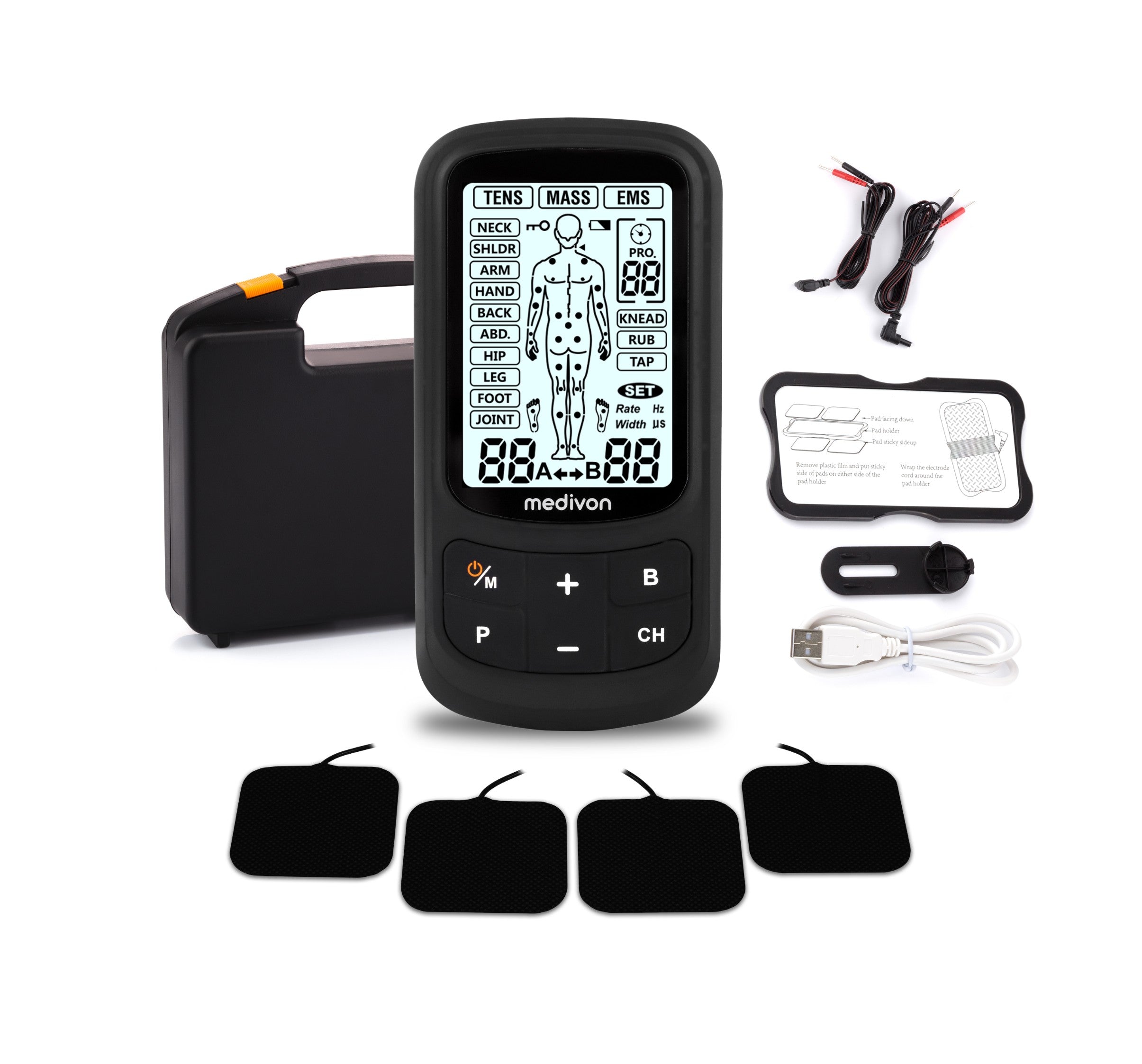
Yes
230 V mains power
60
60
Yes
USB-C charging
5
4
USB-C charging
5
3
50
FAQs
For more information, please visit our FAQ page.
Should EMS cause a twitch?
Yes, in many programs. Contraction may be visible or palpable, but it should not cause sharp pain.
Does it replace training?
No. It can supplement activity, but it does not replace movement and full muscle loading.
Can electrodes be applied arbitrarily?
No. They should be arranged according to the instructions and diagram for a specific muscle group.
Why does skin tingle?
Tingling is a typical sensation of impulse flow. Burning or pain require the session to be discontinued.
Do the electrodes need to be replaced?
Yes, contact elements wear out and should be replaced according to the manufacturer's recommendations.